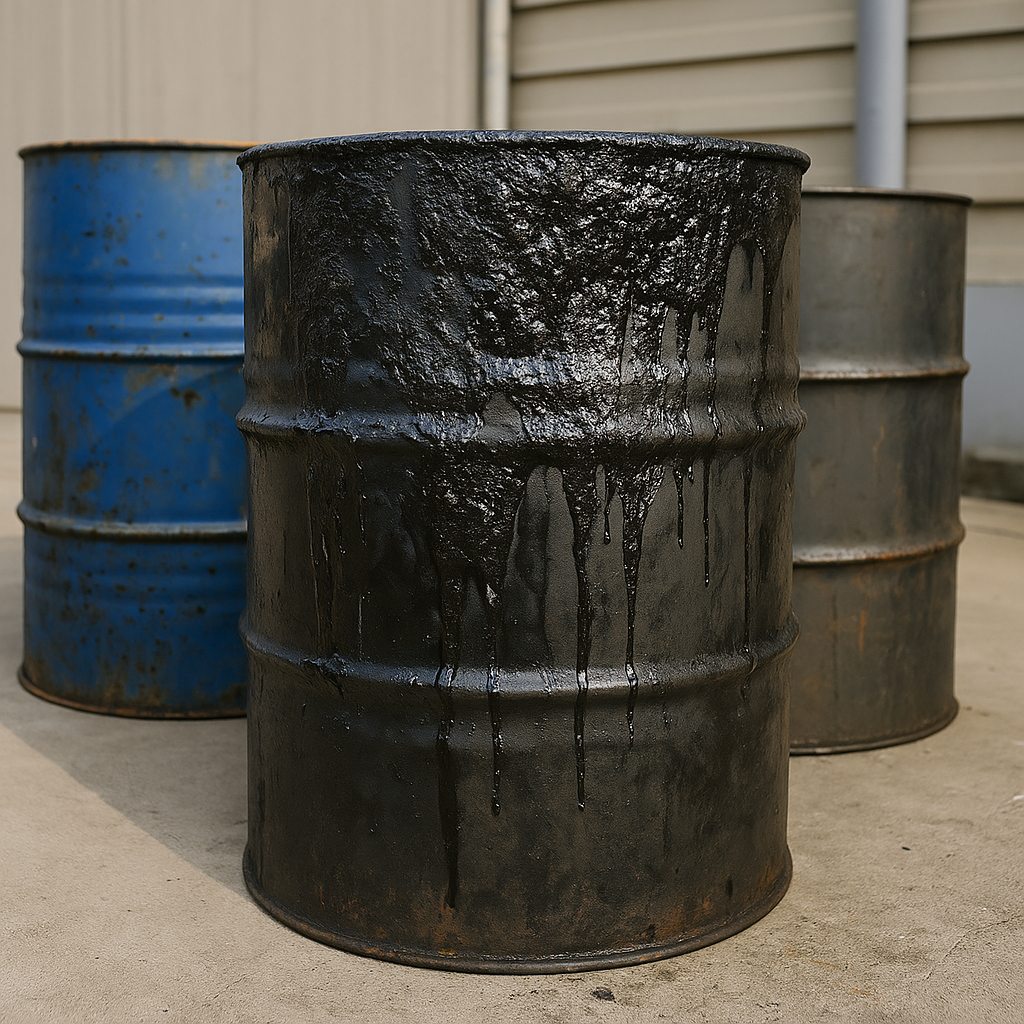
Pyrolysis waste containing hazardous substances (19 01 17)* is generated during oxygen-free thermal processing of organic materials. Such waste often contains heavy metals, carcinogens, and chemical residues, classifying it as hazardous.
Hazardous waste management of pyrolysis residues involves strict composition analysis, labeling, documentation, and regulatory compliance.
Proper handling of hazardous waste starts with identifying toxic components and their potential environmental impact.
Enterprises must implement robust environmental servicing, including waste audits, compliance checks, and safety training.
Storage of hazardous waste requires sealed containers, dry environments, and materials resistant to corrosion or chemical breakdown.
Transportation of hazardous waste can be complicated by density, gas emissions, and temperature sensitivity, requiring specialized vehicles.
Processing of hazardous waste includes stabilization, encapsulation, or additional thermal treatment to neutralize toxicity.
Main risks include:
- presence of toxic metals and hydrocarbons
- explosive gas formation under improper conditions
- complex composition impeding efficient treatment
Workforce training, strict protocols, and collaboration with licensed operators ensure safe environmental servicing for enterprises.
Integrated planning ensures regulatory compliance and minimizes environmental damage from pyrolysis residues.