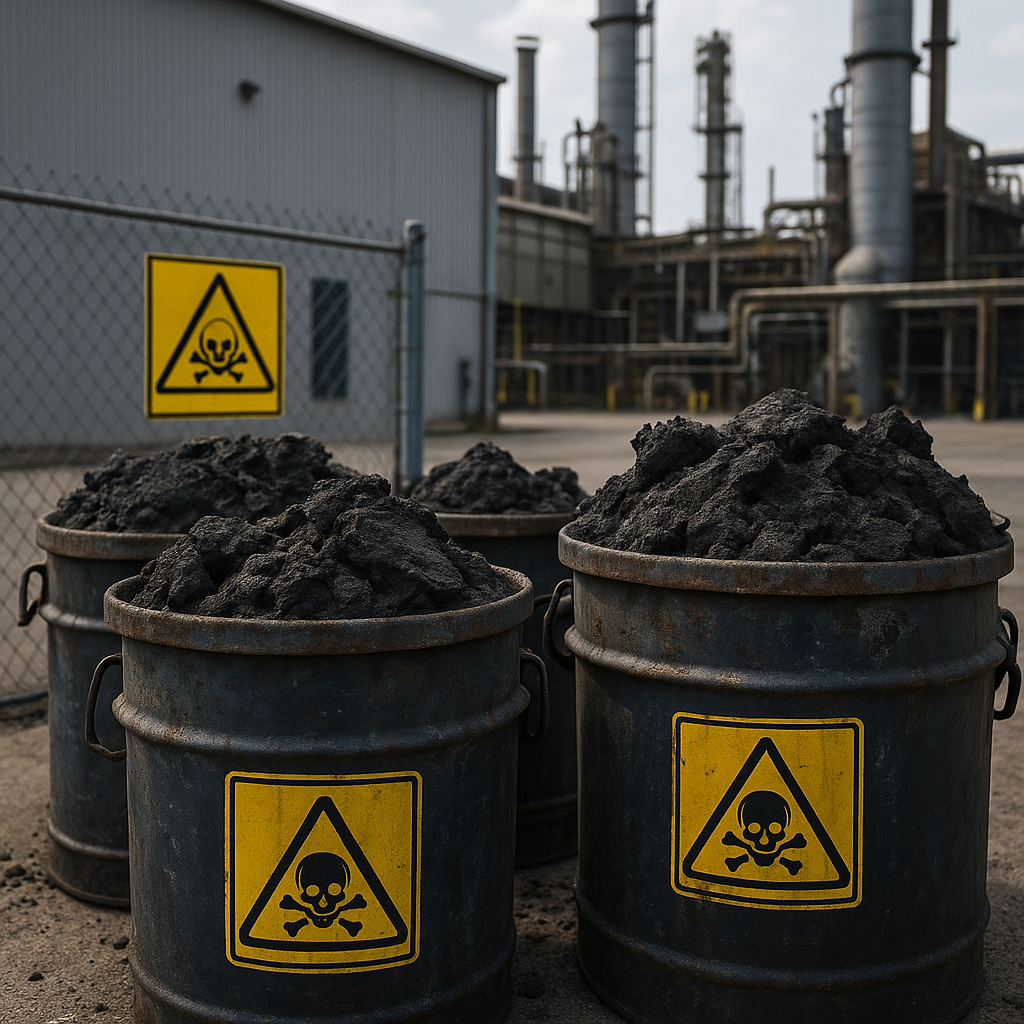
Carbon-based refractory and lining waste (code 16 11 01*) is hazardous due to toxic compounds and heavy metals.
Proper hazardous waste management reduces risks to the environment and human health.
Key hazards include:
- soil and groundwater contamination;
- accumulation of carcinogenic substances;
- emissions of toxic dust and gases;
- long-term persistence of harmful compounds.
Effective handling of hazardous waste requires sampling, labeling, and advanced treatment technologies.
Environmental servicing of enterprises ensures monitoring, audits, and the use of innovative ecological solutions.
Secure hazardous waste storage requires sealed containers and controlled facilities.
Safe hazardous waste transportation demands licensed carriers and compliance with international regulations.
Modern hazardous waste processing allows the recovery of valuable metals and reduces toxicity.
Examples of methods:
- thermal neutralization;
- chemical stabilization;
- reuse of safe fractions in industry.
The main challenge is the high volume and varied composition of such waste generated by metallurgical processes.
Each enterprise must develop tailored waste management schemes.
Staff training and clear safety protocols minimize risks of accidents and uncontrolled releases.
A comprehensive approach ensures environmental protection and strengthens corporate responsibility.