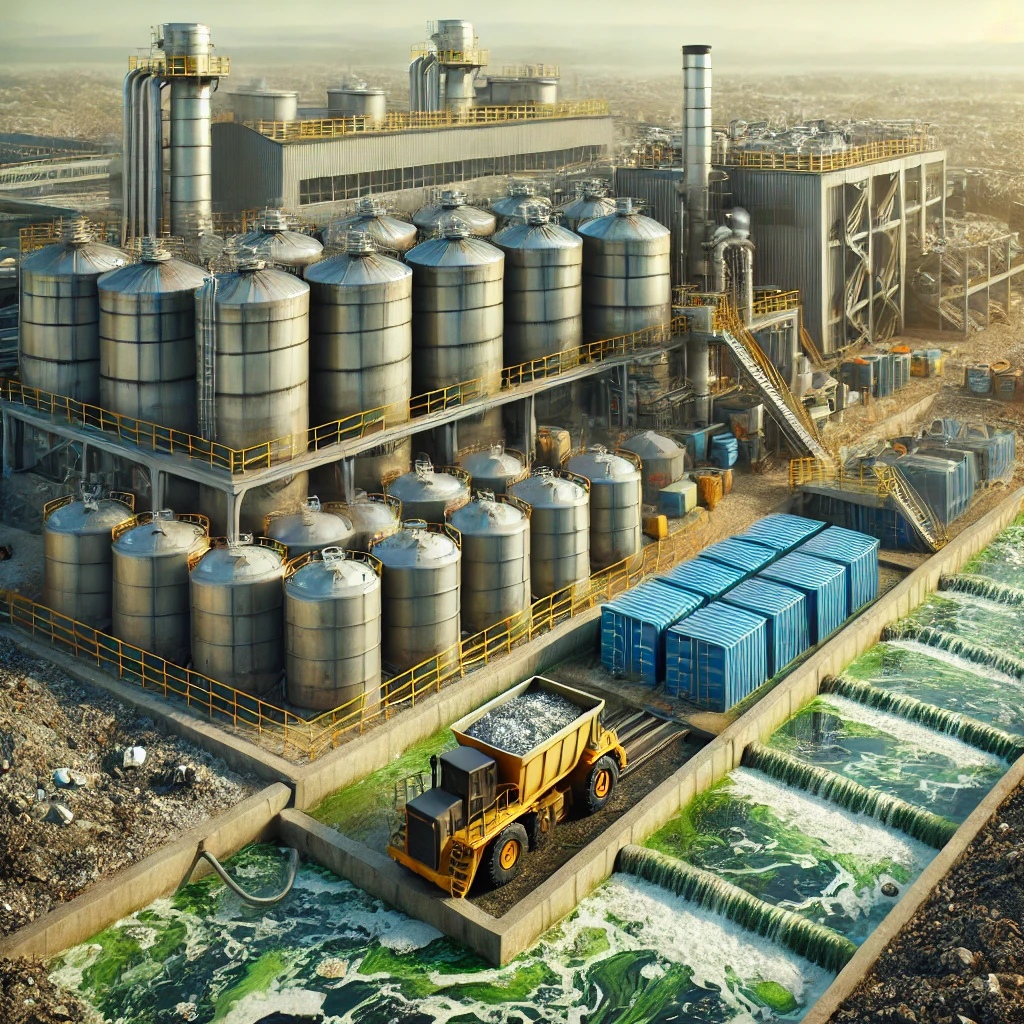
Sludge from wastewater treatment at industrial facilities containing hazardous substances (code 19 11 05*) is one of the most common types of industrial waste. It forms during the treatment of industrial and municipal wastewater, where chemical reagents, heavy metals, and organic pollutants are used.
Effective hazardous waste management for this category requires a thorough analysis of sludge composition to determine the best treatment method. The presence of toxic compounds in these wastes can lead to severe environmental contamination.
The main types of hazardous sludge waste from wastewater treatment include:
- residual sludge after the physicochemical treatment of industrial effluents
- sludge containing heavy metals, petroleum products, and synthetic compounds
- residues from coagulation and flocculation processes
- organically contaminated sludge requiring additional decontamination
Proper hazardous waste handling for sludge must comply with environmental regulations to prevent secondary pollution of water bodies. Decontamination, drying, or chemical neutralization methods are often used for safe disposal.
Hazardous waste storage for this category should be conducted in sealed reservoirs or specially equipped sedimentation tanks. Preventing toxic leaks into the soil and groundwater is a top priority.
Hazardous waste transportation for sludge requires specialized transport with airtight tanks. This minimizes the risks of spills or evaporation of toxic substances during transit.
Hazardous waste recycling for this category may include thermal decontamination, biological treatment, or extraction of valuable components for reuse in industrial applications.
Environmental servicing for enterprises generating sludge from wastewater treatment should involve waste monitoring, implementation of modern processing technologies, and the development of strategies to reduce harmful impact.
The main risks of improper hazardous waste handling for this category include:
- water contamination due to toxic sludge leakage
- formation of persistent organic pollutants in soil
- release of hazardous fumes and chemical gases into the air
- health hazards for workers exposed to toxic substances
Modern hazardous waste recycling technologies significantly reduce environmental pollution levels and ensure a safe and effective sludge treatment process.