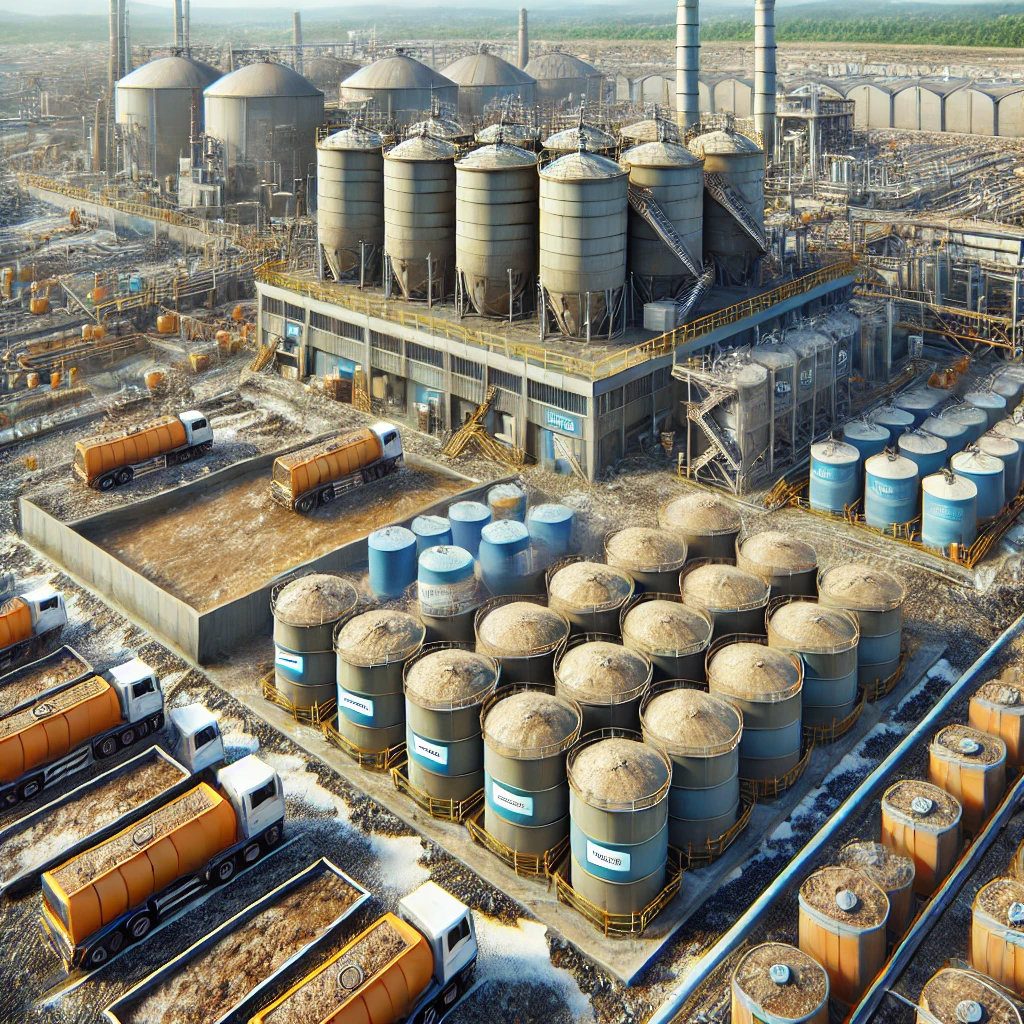
Sludge from soil remediation containing hazardous substances (code 19 13 03*) is a major environmental concern in industrial and urbanized areas. It may contain heavy metals, petroleum products, pesticides, organic pollutants, and toxic compounds that threaten ecosystems and human health.
Effective hazardous waste management for this category requires continuous monitoring of sludge composition, proper identification, and application of appropriate treatment methods. Preventing the release of toxic substances into water sources and fertile soils is a key priority.
The main types of hazardous sludge waste from soil remediation include:
- sediments from mechanical and chemical treatment of contaminated soil
- sludge containing heavy metals and chemical residues
- sedimentary waste from thermal decontamination of soil
- contaminated silt deposits after washing polluted land
Proper hazardous waste handling of this type requires strict control and certified processing methods. Depending on the sludge composition, a suitable treatment or decontamination process is selected.
Hazardous waste storage for sludge should be done in specially equipped tanks that prevent toxic substances from leaking into the environment. Long-term storage is only possible under controlled conditions to prevent secondary contamination.
Hazardous waste transportation for sludge requires compliance with strict safety regulations. All shipments must be securely sealed and properly labeled to prevent leaks and accidental contact with other substances.
Hazardous waste recycling for sludge includes chemical decontamination, thermal treatment, and extraction of valuable components. Some processed sludge fractions may be reused in industrial or construction applications.
Environmental servicing for enterprises working with contaminated soils should include the implementation of new remediation technologies and a monitoring system for the sludge produced.
The main risks of improper hazardous waste handling for sludge include:
- contamination of fertile soil with toxic substances
- penetration of heavy metals into groundwater sources
- formation of new toxic compounds due to chemical reactions
- risk of spreading hazardous contaminants during transportation
Using modern hazardous waste recycling methods significantly reduces sludge impact on the environment and makes soil remediation processes more sustainable.