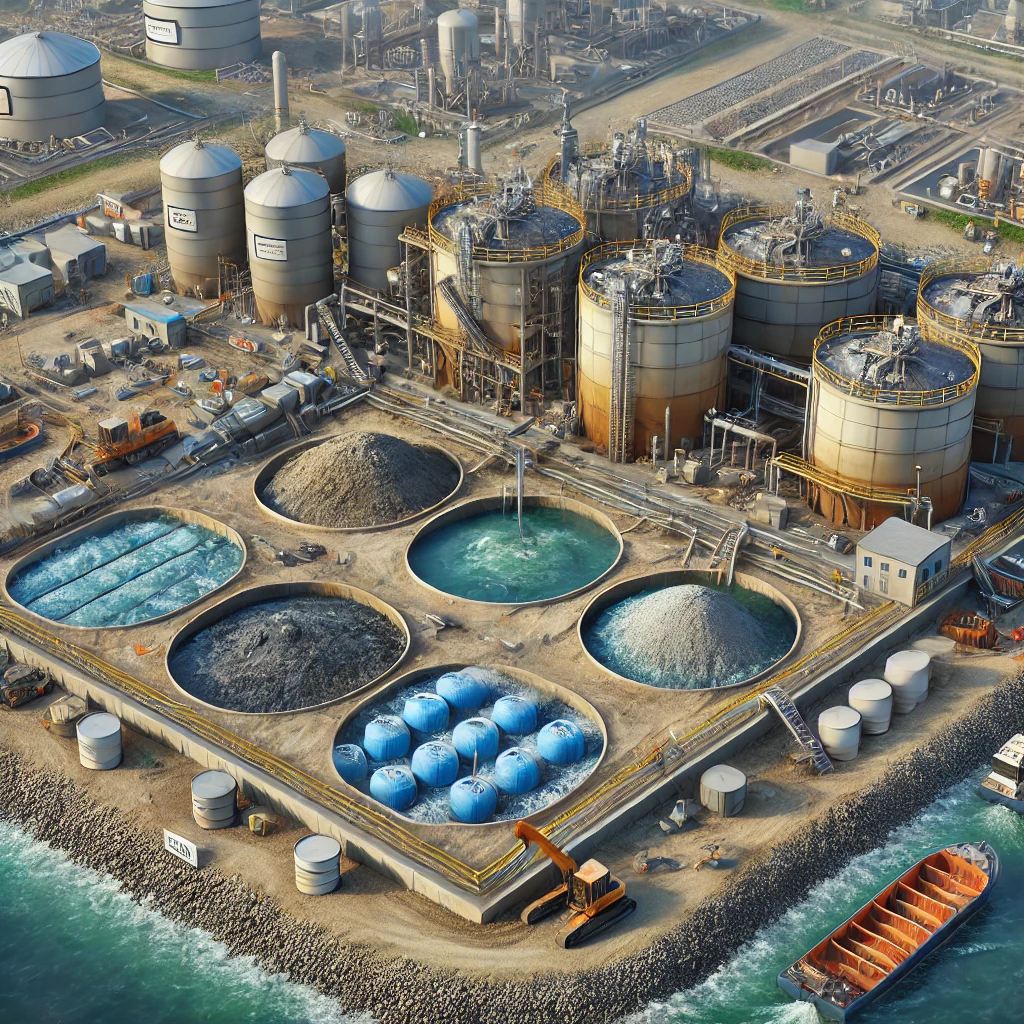
Sludge from groundwater treatment containing hazardous substances (code 19 13 05*) is one of the most challenging waste types in the industrial and municipal sectors. It may contain heavy metals, chemical residues, organic pollutants, and toxic compounds that pose a threat to the environment and human health.
Effective hazardous waste management for this category involves monitoring sludge formation, accumulation, and processing. Preventing its release into water ecosystems and ensuring safe recycling is crucial to reducing negative environmental impact.
The main types of hazardous sludge waste include:
- residual sediments from filtration and chemical purification processes
- concentrated sludge containing heavy metals and organic contaminants
- sediments with residual coagulants and flocculants
- solid components formed during deep water treatment
Proper hazardous waste handling for sludge requires specialized decontamination and disposal technologies. It is essential to analyze its chemical composition to determine the best processing method.
Hazardous waste storage for sludge should be conducted in sealed containers or designated sedimentation basins that prevent toxic substances from leaking into soil and water sources. Corrosion-resistant tanks are essential for long-term storage.
Hazardous waste transportation for sludge requires specialized vehicles to prevent leaks or mixing with other substances. All sludge must be properly labeled to mitigate environmental risks during transportation.
Hazardous waste recycling for this category includes thermal decontamination, chemical neutralization, or extracting valuable components. Some sludge may contain substances that can be reused in industrial processes after proper treatment.
Environmental servicing for enterprises involved in groundwater treatment includes developing effective waste management programs, regular sludge monitoring, and implementing new processing technologies.
The main risks of improper hazardous waste handling for sludge include:
- contamination of water sources due to toxic sediment leaks
- accumulation of heavy metals in soil, leading to contamination of the food chain
- chemical reactions that may generate new hazardous compounds
- fire hazards if sludge containing organic pollutants is improperly stored
Modern hazardous waste recycling technologies significantly reduce the environmental impact of sludge and ensure its safe processing.