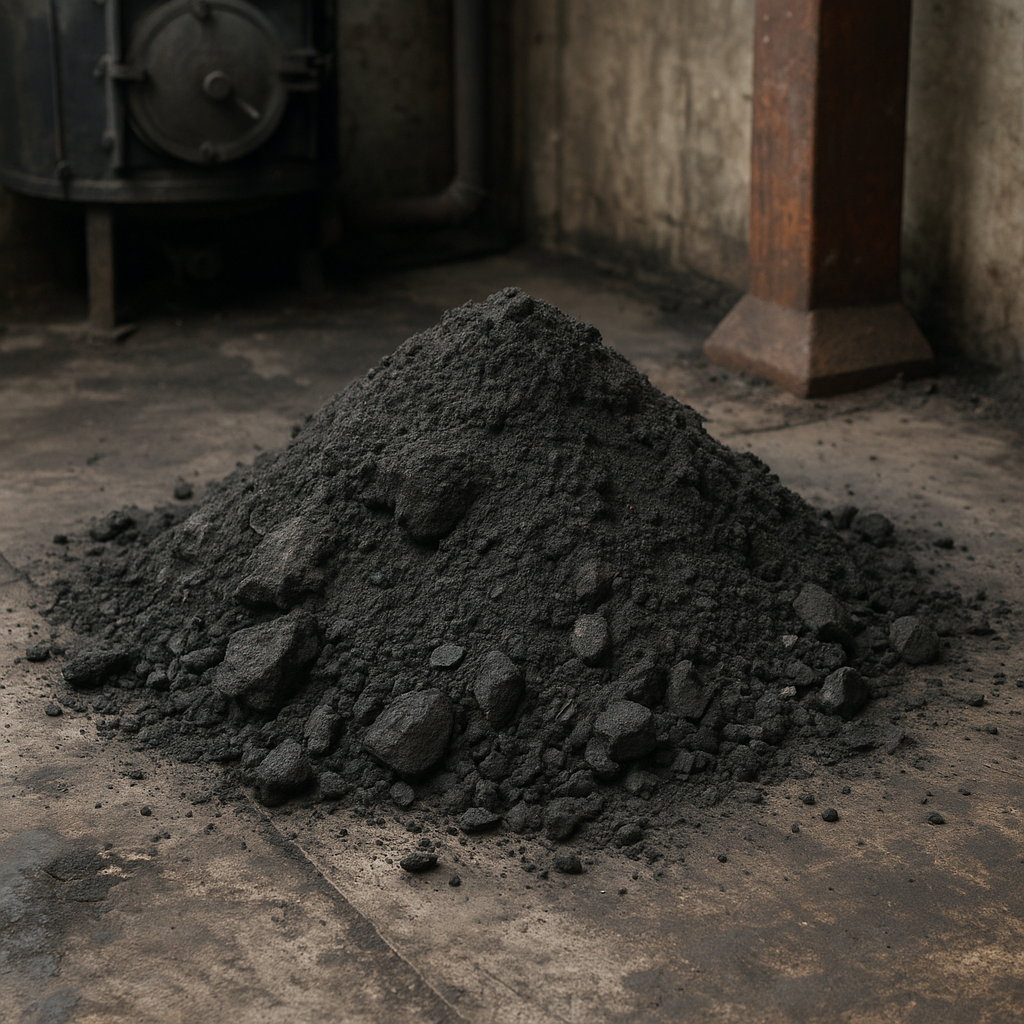
Boiler dust containing hazardous substances (19 01 15)* is a by-product of combustion processes in energy systems. It can include heavy metals, acids, and other toxic materials, classifying it as hazardous.
Effective hazardous waste management involves identifying emission points, analyzing chemical properties, and establishing tracking systems.
Handling of hazardous waste must account for the dust's airborne nature and its health risks to workers and the environment.
Environmental servicing for enterprises includes dust emission audits, filter system optimization, and equipment maintenance plans.
Storage of hazardous waste in dust form requires sealed containers, air control systems, and continuous volume monitoring.
Transportation of hazardous waste in dusty form demands tightly sealed containers, vacuum systems, and trained personnel.
Processing of hazardous waste such as boiler dust may include stabilization, mixing with sorbents, or usage in industrial materials like cement.
Primary hazards include:
- presence of heavy metals like lead and mercury
- acidic residues causing corrosion and health issues
- fine particulate matter complicating handling and logistics
Enterprises must engage experts and ensure continuous training to provide proper environmental servicing and waste management.
Responsible control over boiler dust promotes safety, legal compliance, and a cleaner environmental footprint.