16 12 27*, 17 06 01* Insulating materials containing asbestos
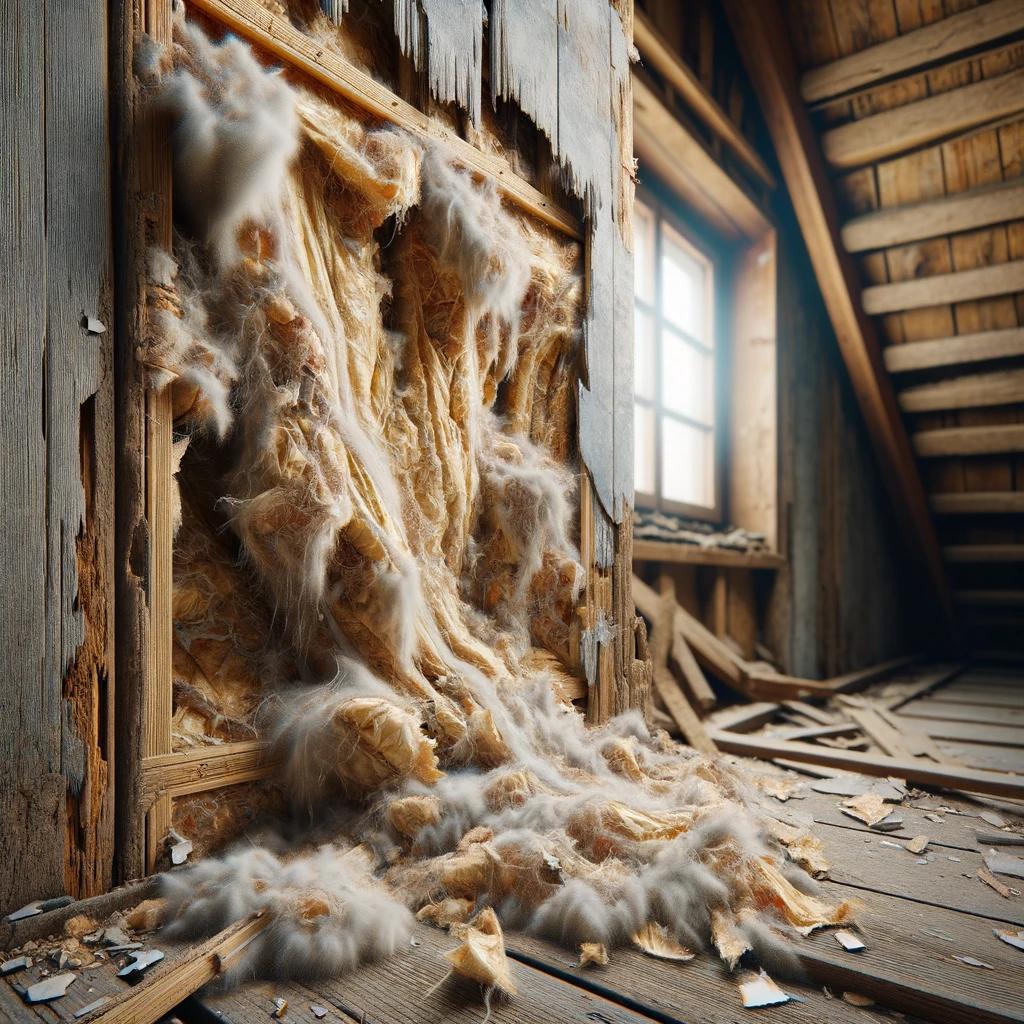
Insulating materials containing asbestos have long been used in the construction industry due to their excellent thermal insulation and fireproof properties. However, with the growing awareness of the negative effects of asbestos on human health and the environment, these materials have become a serious problem. Asbestos is a carcinogen that can cause various diseases, including lung cancer and mesothelioma. Despite this, many older buildings still contain asbestos insulation materials, posing a threat to residents and workers.
Asbestos — is a mineral fiber that was widely used in construction due to its properties: high resistance to heat, chemical inertness and the ability to bond with other materials. However, small asbestos fibers can easily get into the air and be inhaled, making it dangerous for human health.
The main sources of asbestos in buildings are insulating materials such as pipes, boilers, thermal insulation coatings and other building components. Over time, these materials can degrade, releasing asbestos fibers into the air. Particularly dangerous situations arise during the repair or dismantling of old buildings, when materials containing asbestos can be damaged and release fibers.
Methods of ecological management of hazardous waste of insulating materials containing asbestos require special safety measures to minimize risks. In order to reduce the negative impact on health and the environment, it is necessary to follow certain procedures during the processing, storage and transportation of such materials.
Asbestos does not decompose in the natural environment, which means that its effects can last for decades. Its use in various construction and industrial materials creates a problem that cannot be ignored. Pollution created by careless handling of asbestos-containing materials can have long-lasting effects on the ecosystem and public health.
Insulating materials containing asbestos. Code according to the National list of waste 16 12 27*, 17 06 01*. Operations in accordance with Annexes 1, 2 to the Law of Ukraine “On Waste Management” D10, D15.
Code according to Annexes VIII, IX to the Basel Convention on the Control of Transboundary Movements of Hazardous Wastes and their Utilization/Removal A2050 (RB010).
A pity for the environment and people
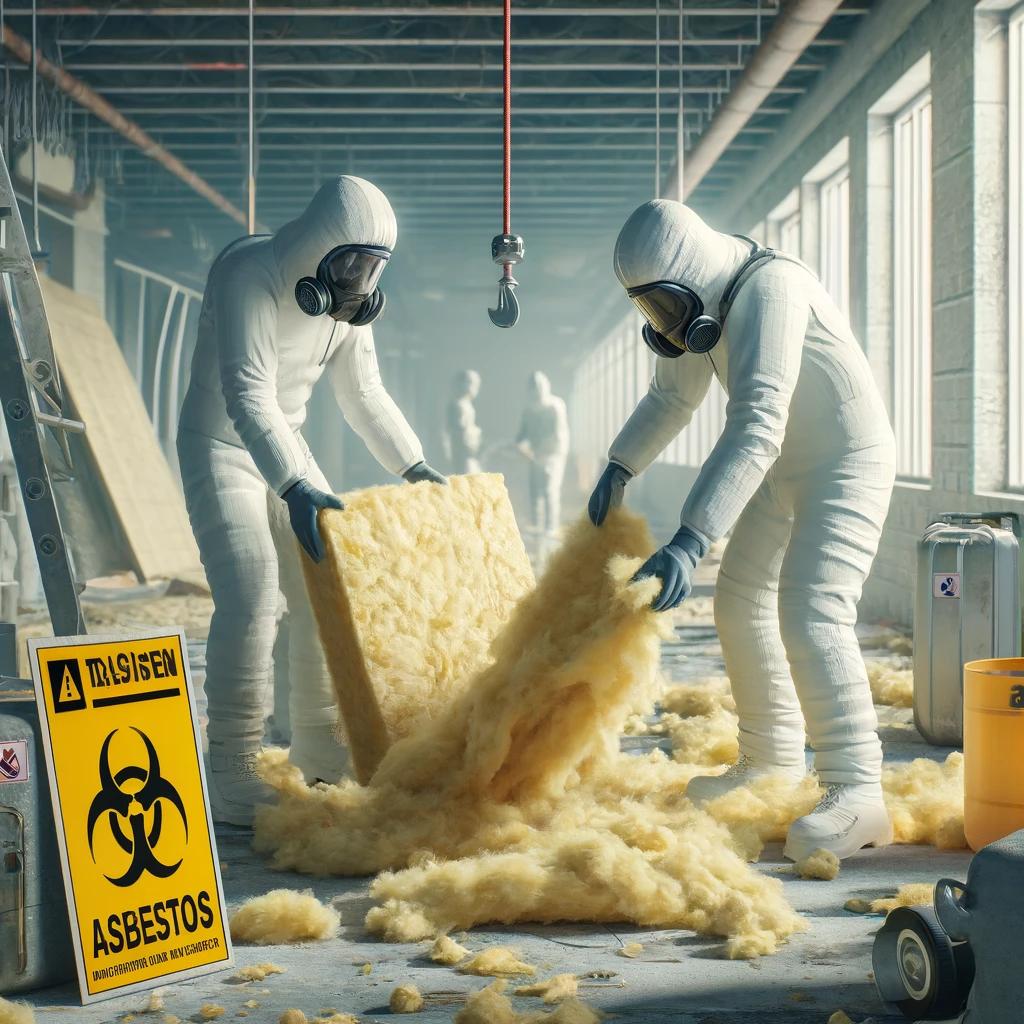
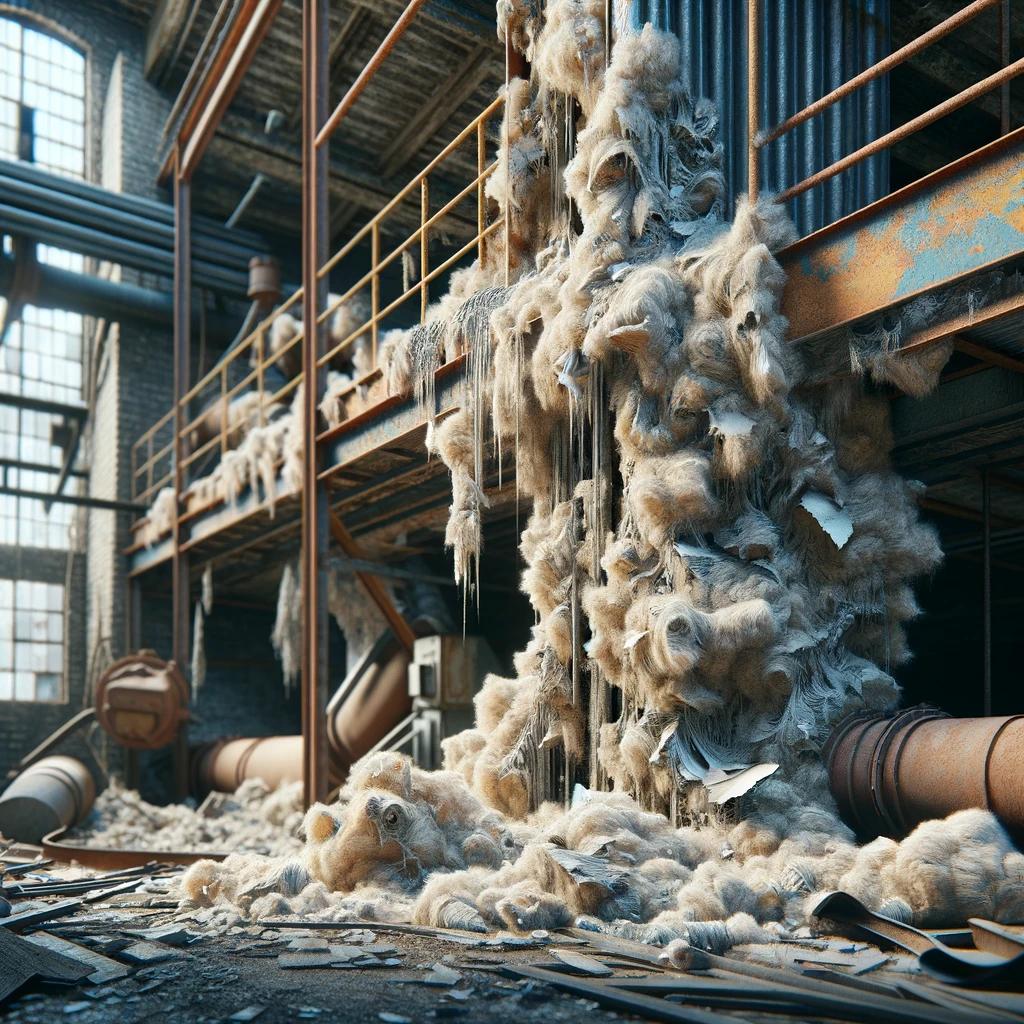
Asbestos is a persistent material that does not degrade in the natural environment, leading to its accumulation in soil and water. Asbestos emissions can be released into the environment through the atmosphere, especially during construction work or the demolition of old buildings. This can lead to pollution of large areas and cause lasting environmental problems.
The main threats to the environment include:
- air pollution: asbestos fibers can remain in the atmosphere for a long time, spreading over long distances;
- soil contamination: asbestos can seep into the soil, reducing its fertility and posing risks to flora and fauna;
- water pollution: Asbestos fibers can enter bodies of water, affecting water quality and the health of aquatic organisms.
The management of hazardous waste insulation materials containing asbestos requires an integrated approach that includes proper collection, sorting, transportation and storage (D15) of these materials. It is also necessary to conduct environmental monitoring and risk assessment to minimize exposure to asbestos.
The impact of asbestos on the environment is not limited to direct contamination. It also has long-term effects that can be difficult to recover from. Asbestos-contaminated water and soil require complex cleanup and remediation processes that require significant resources and time. Environmental management of hazardous insulating materials containing asbestos should be aimed at reducing these negative consequences and protecting the natural environment.
Pity for people
Inhalation of asbestos fibers is the main way asbestos enters the human body. These fibers can remain in the lungs for a long time, causing various diseases, including:
- asbestosis: a chronic lung disease characterized by scarring of lung tissue and decreased respiratory function;
- lung cancer: increased risk of developing lung cancer in people with long-term exposure to asbestos;
- Mesothelioma: A rare but very aggressive form of cancer that affects the lining of the lungs, heart, or abdomen.
Operations for collection, sorting, crushing and processing of hazardous waste insulating materials containing asbestos should be carried out exclusively by specialists using appropriate protective equipment. These measures include the use of respirators, protective clothing and regular medical examination of workers.
Transportation of hazardous waste insulating materials containing asbestos must also be carried out in compliance with all safety regulations. The use of specialized containers and vehicles helps prevent the spread of asbestos into the environment and reduce risks to public health.
The health of people who work with asbestos or live in buildings where materials containing asbestos are used is under constant threat. Asbestos fibers can remain in the lungs for years, gradually causing serious diseases. Even minor damage to materials can release asbestos into the air, creating dangerous conditions for everyone present.
Environmental management methods for hazardous waste insulation materials containing asbestos include strict safety measures to protect workers and the public. It is important to ensure an appropriate level of training and education for all who may handle such materials to minimize risks and ensure safety.
Ways to reduce harm
To reduce damage from asbestos insulating materials, the following measures should be followed:
- detection and inventory of asbestos-containing materials in buildings and structures;
- regular monitoring of the condition of asbestos materials to prevent their degradation;
- application of safe methods of removal and replacement of asbestos materials with environmentally safe alternatives;
- use of modern technologies for processing and destruction of asbestos with minimal impact on the environment (D10);
- increasing the awareness of the population and professionals about the risks associated with asbestos and methods of protection.
Methods of ecological management of hazardous waste of insulating materials containing asbestos include special measures for collection, transportation and storage of such waste. An important role in this process is played by the company "UtilVtorProm", which provides services for the safe removal and disposal of hazardous waste, including asbestos materials.
Our company, "UtilVtorProm" has many years of experience in the field of environmental waste management and applies the most modern technologies to minimize the impact of hazardous materials on the environment and human health. We comply with all regulatory requirements and safety standards, ensuring a high level of protection during hazardous waste collection, transportation and storage operations.
Environmental management of hazardous asbestos-containing insulation materials requires a comprehensive approach that includes regular monitoring, implementation of modern technologies, and increased public awareness of asbestos-related risks. Only by joint efforts can we ensure the safety of the environment and the health of future generations.
Why choose us
Professional waste management with care for the environment
Modern equipment
We use the latest technologies for efficient processing
Wide range of services
Comprehensive solutions for all types of waste
Comprehensive approach
Full management cycle from collection to disposal
Qualified staff
Experienced specialists with relevant certificates
All types of waste
We work with industrial waste
Over 10 years in the market
Reliable partner for businesses and organizations
Customer Reviews
Volkov Serhii
25.10.2023It's easy to make a mistake in choosing a partner. We chose this company after reading reviews on the Internet. Reliable company, there are few like them. Thank you. Don't be ashamed to recommend to others.
Hrytsenko Mykhailo
27.11.2023They were determined between UtilVtorProm and another company. We chose environmental hazardous waste management from you and have never regretted it. The website stated that there are licenses for environmental waste management, this is extremely important for us. We are pleased with the cooperation on the issue of hazardous waste management. Our recommendations are only for this company.
Zaytsev Ivan
10.01.2024It was needed very urgently, the work was completed promptly. We settled on this company. The hazardous waste task is now automatic. You can do your work without being distracted by this routine. Always set the bar high. We highly recommend it.
Kravchenko Nataliia
13.02.2024It's easy to work with professionals. For reporting, you must have a license for environmental waste management. There was a rather unusual task for hazardous waste management. We are very pleased with the work of your company. Feel free to contact us.
Artur Zhdanovych
14.09.2024UtilVtorProm established a clear and predictable approach to hazardous waste handling for our company. Transportation and processing were coordinated smoothly and without disruption.
Polina Onyshchuk
15.12.2024UtilVtorProm provided consistent environmental support with transparent oversight of all waste-related activities. Their structured coordination ensured stable operations.
Leave a Review
Share your experience working with us
