16 06 02* Nickel-cadmium batteries
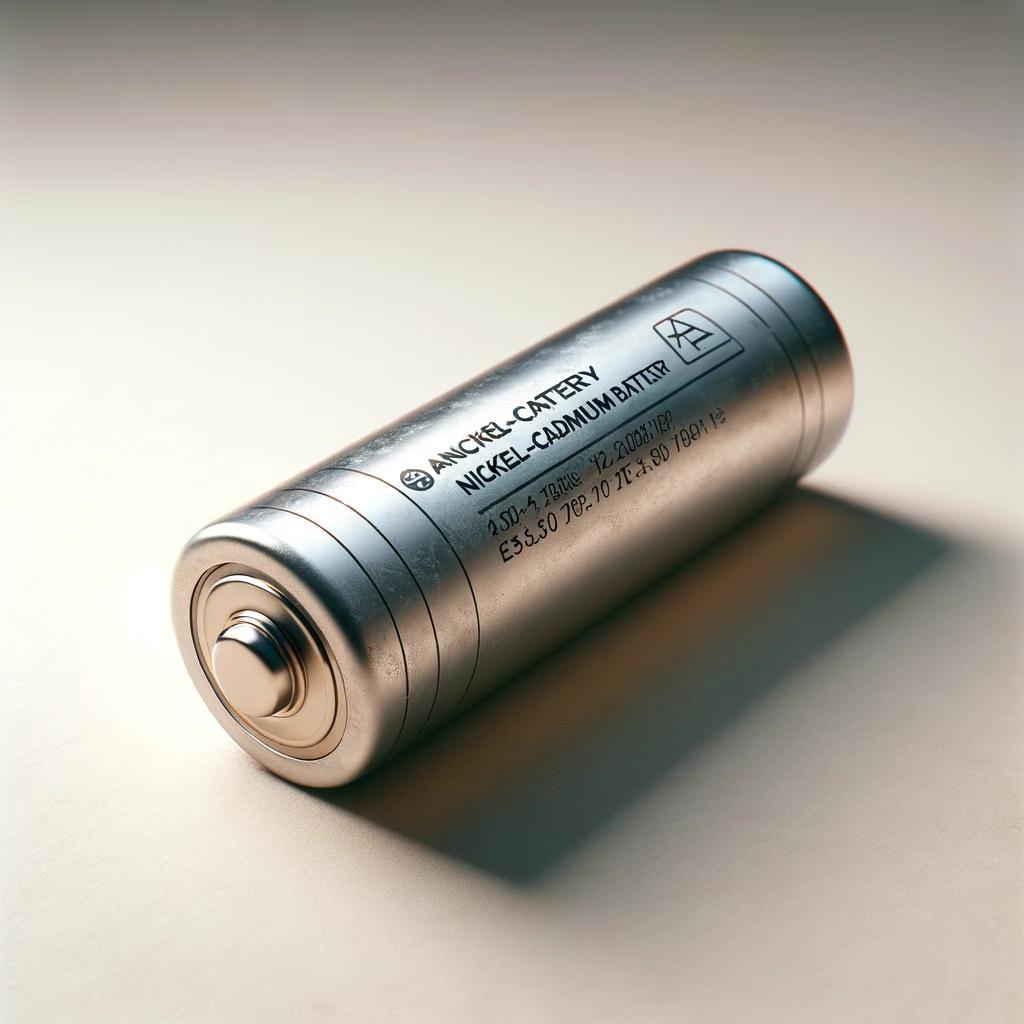
Nickel-cadmium batteries are one of the most common types of battery cells used in various industries. These batteries are known for their durability and reliability, but they also have a significant negative impact on the environment and human health. In this article, we will consider the main problems associated with the use of nickel-cadmium batteries, as well as suggest ways to reduce their harmful effects.
Nickel-cadmium batteries are widely used in household and industrial devices due to their unique properties. However, their use is accompanied by a number of problems:
- high content of toxic substances such as cadmium, which is dangerous for health and the environment;
- long decomposition time, which leads to the accumulation of waste in landfills;
- lack of effective systems for collection and recycling of spent batteries.
The main problem is that nickel-cadmium batteries contain cadmium — a heavy metal that is extremely toxic to all living organisms. During decomposition in landfills, cadmium can enter the soil and groundwater, creating a serious environmental threat. Currently, there are insufficiently efficient collection and recycling systems (R4) for such batteries, which leads to their uncontrolled accumulation in the environment.
In addition, the production of nickel-cadmium batteries requires a lot of energy and uses natural resources, which also affects the environmental situation. It is important to consider all these aspects in order to find a solution to reduce the harmful effects of these batteries.
A pity for the environment and people

The impact of nickel-cadmium batteries on the environment is significant. The main threats include:
- pollution of soil and water with toxic substances released during battery decomposition;
- accumulation of heavy metals in food chains, which can lead to poisoning in animals and humans;
- formation of hazardous waste during the production and processing of batteries.
Cadmium, which is the main component of these batteries, is extremely toxic and has long-term effects on the environment. Its accumulation in soil and water can lead to serious environmental problems, including a decrease in the quality of water resources and soil degradation.
The toxic substances contained in nickel-cadmium batteries can be released into the environment for many years. This leads to long-term soil and water pollution, which has negative consequences for ecosystems. Pollution of water resources can lead to the death of fish and other aquatic organisms, as well as to the accumulation of toxins in plants that are used for human and animal nutrition.
In addition, heavy metals such as cadmium have the ability to accumulate in the organisms of living beings, which leads to their poisoning. This can have catastrophic consequences for biodiversity, in particular, a decrease in the number of certain species and a disruption of the ecological balance.
Pity for people
Nickel-cadmium batteries also pose a serious threat to human health. The main dangers include:
- toxic effects of cadmium, which can cause serious diseases of the respiratory system and kidneys;
- increased risk of developing cancer due to long-term exposure to cadmium;
- possibility of poisoning during contact with spent batteries.
Cadmium is a known carcinogen, and its effects on the human body can be extremely dangerous. In addition, workers involved in the recycling of nickel-cadmium batteries are exposed to a high risk of poisoning and other problems.
Long-term exposure to cadmium on the human body can cause serious diseases, including lung cancer, kidney failure, osteoporosis, and others. Studies show that cadmium can accumulate in the body over a long period of time, increasing the risk of chronic diseases. People who work in nickel-cadmium battery manufacturing and recycling facilities are particularly vulnerable to cadmium exposure because they are constantly in contact with toxic materials.
In addition, improper handling of used nickel-cadmium batteries can lead to accidental poisoning. For example, if a battery is damaged and toxic substances leak out, it can cause acute poisoning in people who come into contact with such batteries. Therefore, it is important to ensure proper management of hazardous waste nickel-cadmium batteries in order to reduce the risk to human health.
Ways to reduce harm
Reducing the harmful effects of nickel-cadmium batteries on the environment and human health is possible by implementing the following measures:
- creating effective systems for collecting and recycling spent batteries;
- introduction of technologies that reduce the content of toxic substances in batteries;
- increasing public awareness of the dangers associated with improper use and disposal of batteries.
Environmental methods of hazardous waste management of nickel-cadmium batteries include:
- operations for the collection, sorting, crushing and processing of hazardous waste nickel-cadmium batteries;
- implementation of technologies allowing to reduce the amount of waste;
- transportation of hazardous nickel-cadmium battery waste to specialized enterprises for safe processing.
In order to effectively reduce the harm from nickel-cadmium batteries, it is necessary to create a developed infrastructure for the collection and processing of such waste. This may include the location of special containers (R13) for the collection of batteries in public areas, the organization of information campaigns for the public on the correct handling of batteries, as well as the support at the state level of initiatives for the recycling of hazardous waste.
In addition, the development of new technologies that reduce the content of toxic substances in batteries is an important direction. For example, the development of alternative battery materials that do not contain cadmium can significantly reduce the environmental risk. Manufacturers can also implement technologies that allow for efficient recycling and recovery of battery components, reducing the amount of waste.
An important aspect is also training and raising public awareness about the correct handling of nickel-cadmium batteries. Information campaigns that explain the dangers of misuse and how to safely collect and recycle batteries can significantly reduce the risk to the environment and human health.
Nickel-cadmium batteries. Code according to the National list of waste 16 06 02*. Operations in accordance with Annexes 1, 2 to the Law of Ukraine "On Waste Management" R4, R13.
Code according to Annexes VIII, IX to the Basel Convention on the Control of Transboundary Movements of Hazardous Wastes and their Utilization/Removal A1180.
UtilVtorProm company
The UtilVtorProm company deals with the management of hazardous waste from nickel-cadmium batteries. One of our main priorities is the implementation of modern technologies to reduce the negative impact on the environment and human health. All operations for the collection, sorting, crushing and processing of hazardous nickel-cadmium battery waste are performed in accordance with the highest quality and safety standards.
The UtilVtorProm company transports hazardous waste nickel-cadmium batteries to specialized enterprises for their safe processing. This makes it possible to significantly reduce the risk of environmental pollution and ensure the safety of workers who handle such waste.
Thanks to the effective management of hazardous nickel-cadmium battery waste, our company UtilVtorProm contributes to the preservation of the environment and the improvement of people's quality of life.
Why choose us
Professional waste management with care for the environment
Modern equipment
We use the latest technologies for efficient processing
Wide range of services
Comprehensive solutions for all types of waste
Comprehensive approach
Full management cycle from collection to disposal
Qualified staff
Experienced specialists with relevant certificates
All types of waste
We work with industrial waste
Over 10 years in the market
Reliable partner for businesses and organizations
Customer Reviews
Kovalchuk Olha
29.10.2023Contact us regarding waste management issues. There was a choice between this company and another. We settled on this one and were not disappointed. One of the few companies that has permits for environmental waste management. It's nice to leave a review about such a company.
Hryshchenko Tetiana
14.11.2023Thank you for the quick response and fast execution of the order. We decided to order operations for the collection, sorting, crushing and processing of hazardous waste here. I would like to write a few positive words to the management of your company. Thank you for your cooperation. Quality truly comes first.
Oleksienko Nataliia
09.12.2023Really great. They did not expect. I was interested in the speed of work and this was the decisive factor. I really liked the work of this company. The first company that wanted to write a review. Good luck with your work! Thank you!
Tkachenko Hanna
24.01.2024We were unexpectedly pleasantly surprised by the speed and quality of the work. The website stated that there are licenses for environmental waste management, this is extremely important for us. There is no point in looking for another contractor to manage your hazardous waste. All at the highest level! Decent professionals in their field.
Illia Kushnir
19.04.2024UtilVtorProm provided our enterprise with stable environmental support and well-organized processes. Hazardous waste handling and transportation are carried out smoothly and in a coordinated manner.
Yuliia Moroz
10.06.2024Cooperation with UtilVtorProm made our waste processing and recycling predictable and fully controlled. Their team shows strong attention to detail when working with hazardous materials.
Leave a Review
Share your experience working with us
