10 03 19*, 10 08 15*, 10 09 09*, 10 10 09* Flue gas dust containing hazardous substances
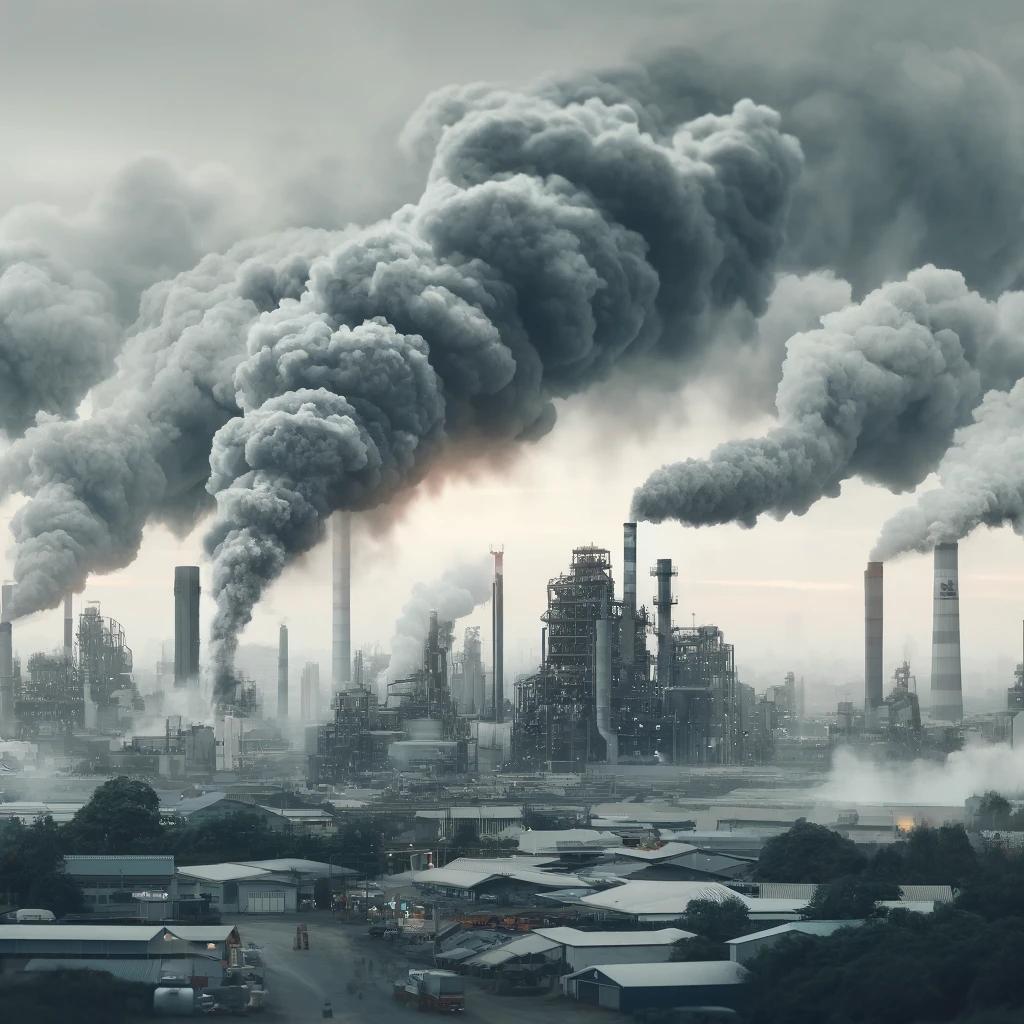
Flue gas dust containing dangerous substances is one of the biggest environmental problems of the modern world. Emissions of flue gases occur as a result of the activities of many industrial enterprises, such as power plants, metallurgical plants, cement factories and others. Combustion of coal, oil, gas and other types of fuel leads to the formation of a large amount of dust, which contains heavy metals, toxic organic compounds and other harmful substances. These substances enter the atmosphere and can spread over long distances, settling on the earth's surface and penetrating into water and soil.
The main components of flue gas dust include elements such as lead, cadmium, arsenic, mercury, dioxins, furans and other toxic substances. All these components can have serious consequences for the environment and human health. Lead, for example, is a highly toxic element that can cause neurological disorders and other serious illnesses. Mercury is also extremely dangerous, as it can accumulate in the body and cause severe poisoning.
In addition, flue gas dust contains a large number of small particles that can penetrate the lungs and cause various respiratory diseases. These particles can also adsorb other toxic substances on their surface, increasing their danger. In general, the problem of flue gas dust is complex and requires careful study and implementation of effective methods of combating it.
Flue gas dust containing hazardous substances. Code according to the National list of waste 10 03 19*, 10 08 15*, 10 09 09*, 10 10 09*. Operations in accordance with Annexes 1, 2 to the Law of Ukraine "On Waste Management" D10, D9.
A pity for the environment and people
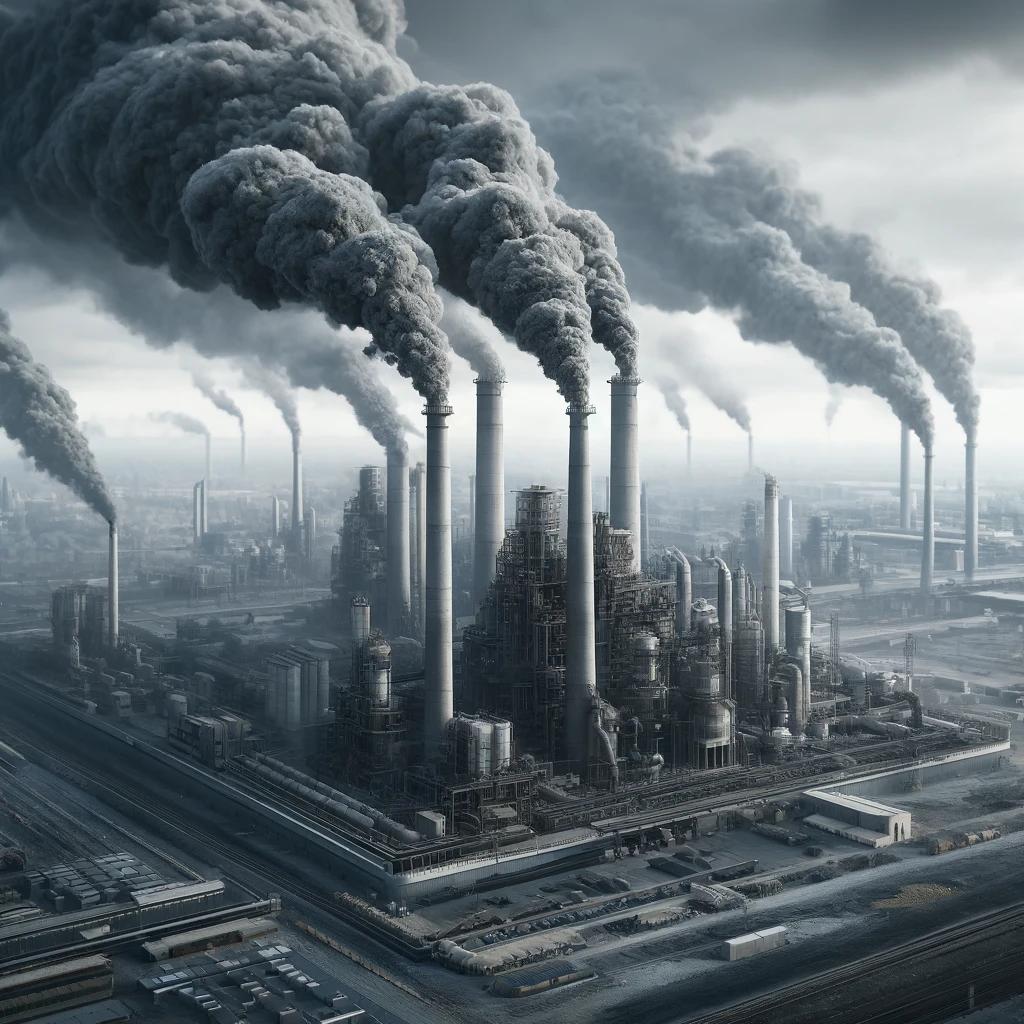
Dust emissions of flue gases have a significant impact on the environment. Pollution of air, water and soil by hazardous substances contained in dust can lead to serious environmental problems.
The main types of environmental damage from flue gas dust include:
- Air Pollution: Dust contains heavy metals and other toxic substances that can cause acid rain and photochemical smog. Acid rain, formed as a result of the interaction of dust with atmospheric moisture, can cause the destruction of buildings, decrease the yield of agricultural crops and the death of forests. Photochemical smog, which is formed under the influence of sunlight on polluted air, can have serious consequences for human health and ecosystems;
- pollution of water resources: dust can settle on the surface of water bodies and penetrate into groundwater, contaminating it. Toxic substances contained in the dust can accumulate in the organisms of aquatic inhabitants, which leads to disruption of ecosystems and a decrease in biodiversity. Pollution of water resources can also affect the quality of drinking water consumed by humans and animals;
- impact on soils: toxic elements from dust can accumulate in soils, reducing their fertility and affecting the quality of cultivated products. Contamination of soils with heavy metals and other toxic substances can lead to a decrease in the yield of agricultural crops and the accumulation of harmful substances in plants grown on contaminated soils. This, in turn, can affect the health of people and animals that consume these products.
It is also worth noting that flue gas dust can have an impact on climate change. Some components of dust, such as black carbon, can cause climate warming because they are able to absorb solar radiation and contribute to the heating of the atmosphere. Other dust components, on the other hand, can have a cooling effect by reflecting solar radiation back into space. Thus, flue gas dust can affect climate processes, which adds another layer of complexity to the problem.
Pity for people
Flue gas dust containing dangerous substances has a serious impact on people's health. The main health risks are related to the impact of toxic elements contained in dust on the respiratory, cardiovascular and other body systems.
Hazards to human health include:
- respiratory diseases: dust can cause irritation of the respiratory tract, bronchitis, asthma and other diseases of the respiratory system. Small dust particles can penetrate deep into the lungs, causing inflammation and other problems. Some toxic substances contained in dust can cause chronic diseases of the respiratory system, such as chronic obstructive bronchitis and pulmonary emphysema;
- cardiovascular diseases: toxic substances contained in dust can affect the cardiovascular system, increasing the risk of heart attack, stroke and other diseases. Some dust components, such as lead and mercury, can cause high blood pressure and heart rhythm disturbances. Studies show that long-term exposure to polluted air may be associated with an increased risk of death from cardiovascular disease;
- carcinogenic effect: some dust elements have carcinogenic properties, which increases the risk of developing cancer. For example, dioxins and furans, which can be formed during the burning of certain types of fuel, are known carcinogens. The influence of these substances on the body can lead to the development of cancer of the lungs, skin, liver and other organs;
- allergic reactions: dust can cause allergies manifested in the form of rashes, itching, conjunctivitis and other symptoms. Some dust components can be strong allergens, causing reactions even at a small concentration in the air. Allergic reactions can be especially dangerous for children, the elderly and people with weakened immunity.
It is also worth noting that flue gas dust can affect the human nervous system. Some toxic substances, such as lead and mercury, can accumulate in the body and affect the nervous system, causing neurological disorders. This can lead to a decrease in cognitive functions, memory impairment, problems with coordination of movements and other neurological problems.
Ways to reduce damage from flue gas dust
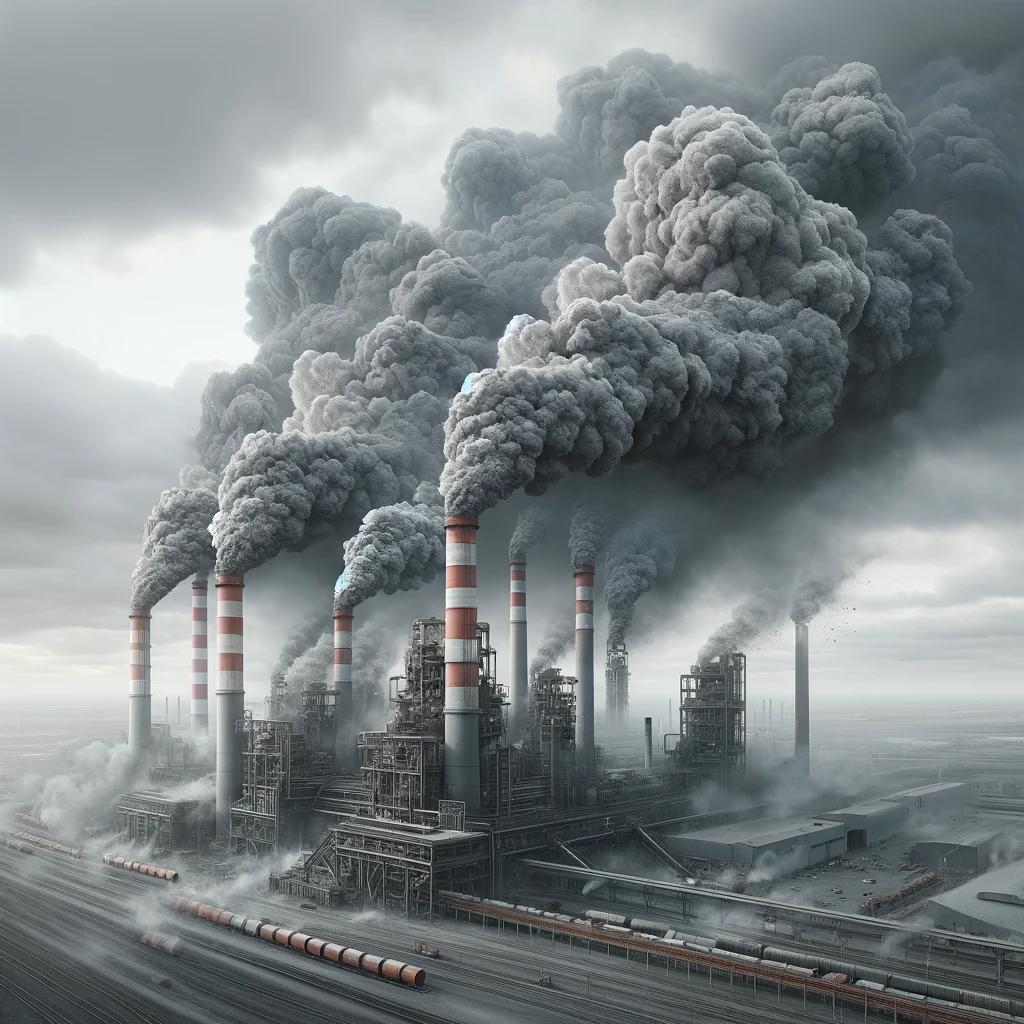
There are several methods of reducing the damage from flue gas dust containing hazardous substances. The main approaches include environmental management, the use of modern technologies and the strengthening of legislative norms.
The main methods of environmental management of hazardous waste from flue gas dust include:
- use of filters and other technologies to reduce dust emissions: modern technologies make it possible to significantly reduce the amount of dust released into the atmosphere during fuel combustion. Filters, electrostatic precipitators, cyclone separators and other gas cleaning systems can effectively trap small dust particles, reducing their emissions;
- implementation of air quality monitoring and emission control systems: regular monitoring of air quality makes it possible to timely detect pollution norm exceedances and take necessary measures to reduce emissions. Emission control systems allow enterprises to quickly respond to changes in production processes and ensure compliance with environmental standards;
- increasing the burning efficiency (D10) of fuel and reducing the amount of dust generated: improvement of fuel burning technologies allows to reduce the amount of dust and toxic substances generated. The use of more efficient fuel systems, optimization of combustion processes and the introduction of new combustion methods can significantly reduce dust emissions;
- application of methods of reducing the toxicity of dust through its chemical treatment (D9): some methods of dust treatment allow to reduce its toxicity through chemical reactions that transform hazardous substances into less harmful forms. This may include neutralization of acidic compounds, oxidation of organic substances and other chemical processes;
- implementation of environmental standards and norms at enterprises that emit flue gases: the establishment of strict environmental standards and norms allows to ensure that enterprises comply with the requirements for reducing emissions of dust and other pollutants. This may include restrictions on the use of certain types of fuel, the implementation of mandatory gas purification measures and other environmental management measures.
In addition, it is important to ensure proper management of hazardous waste from flue gas dust. This includes operations for the collection, sorting, crushing and treatment of hazardous waste, as well as its safe transportation. Proper waste management allows you to minimize their negative impact on the environment and human health, ensuring their safe storage and processing.
Information about the company UtilVtorProm
The UtilVtorProm company is a leader in the field of environmental management of hazardous waste from flue gas dust containing hazardous substances. Our company carries out a full cycle of operations for the collection, sorting, crushing and processing of hazardous waste dust and flue gases. We use modern technologies and equipment that allow us to effectively reduce the amount of hazardous substances in waste and ensure their safe storage and transportation.
The main areas of activity of UtilVtorProm include:
- collection of hazardous waste: our specialists provide collection of waste dust, flue gases from various industrial facilities, using specialized equipment and machinery;
- waste sorting and crushing: waste is sorted by types and fractions, after which it undergoes a crushing process to reduce the volume and prepare for further processing;
- hazardous waste processing: we use modern processing methods that allow us to reduce the toxicity of waste and ensure its safe storage and transportation;
- transportation of hazardous waste: we provide safe transportation of waste to storage or treatment sites, complying with all environmental safety requirements and standards.
Why choose us
Professional waste management with care for the environment
Modern equipment
We use the latest technologies for efficient processing
Wide range of services
Comprehensive solutions for all types of waste
Comprehensive approach
Full management cycle from collection to disposal
Qualified staff
Experienced specialists with relevant certificates
All types of waste
We work with industrial waste
Over 10 years in the market
Reliable partner for businesses and organizations
Customer Reviews
Polischuk Iryna
24.10.2023Convenient to work. Hazardous waste collection, sorting, crushing and treatment operations were ordered yesterday and the work completed tomorrow. The decision in choosing an environmental hazardous waste management contractor was obvious. It's hard to find a better company. Operations for collecting, sorting, crushing and treating hazardous waste are no longer a problem. I would like all companies in Ukraine to operate at such a high level as this one. Thank you. I recommend it.
Holub Olha
07.11.2023We have been working for several years, everything is always at the highest level. We approach the selection of a contractor for environmental hazardous waste management methods very critically. We settled on this company. It's hard to find a better company. Operations for collecting, sorting, crushing and treating hazardous waste are no longer a problem. Thanks for your hard work. I would really like to recommend your company.
Chernenko Kateryna
22.01.2024Thank you for your cooperation. Permits were the main criterion for choosing a contractor. We did not regret that we turned to you regarding hazardous waste management issues. Well done boys. Real professionals. We recommend.
Vakulenko Tetiana
17.02.2024Recommended by partners, it turned out not in vain. The director set the task of solving the issue of environmental management of hazardous waste. Convenient and easy to work with. Order here.
Volodymyr Semeniuk
02.11.2024UtilVtorProm implemented an environmental service model that aligned with our operational framework. Their hazardous waste handling processes were managed with clear sequencing and control.
Alina Kravtsova
22.03.2025The company provided a site-specific waste management solution focused on stability and coordination. Transport and processing stages were executed in a controlled and timely manner.
Leave a Review
Share your experience working with us
