10 04 04*, 10 05 03*, 10 06 03* Flue gas dust

The problem of flue gas dust is becoming more and more urgent in connection with the constant growth of industrial production and energy needs. These emissions are produced during the burning of various types of fuel in power plants, industrial furnaces, and also in vehicles. Flue gas dust contains a large number of harmful substances that negatively affect the environment and human health.
Flue gas dust consists of small particles that are formed as a result of incomplete combustion of fuel. These particles can contain various toxic elements such as heavy metals, sulfates, nitrates, hydrocarbons and other harmful compounds. When fossil fuels such as coal, oil, and natural gas are burned, the flue gases produce large amounts of dust that rise into the atmosphere.
In addition to industrial sources, vehicles are also a significant source of flue gas dust. Internal combustion engines of cars, motorcycles, and other vehicles emit significant amounts of harmful substances into the atmosphere, which leads to the formation of dust and flue gases. It should also be noted that flue gas dust emissions may differ in composition depending on the type of fuel used and combustion conditions.
It is important to note that flue gas dust can remain in the atmosphere for a long time, exposed to wind and other weather conditions. This leads to the fact that dust can spread over considerable distances from the place of its formation, affecting large areas and the population.
Flue gas dust consists of particles of different sizes. Smaller particles can penetrate deep into the human respiratory tract, while larger particles settle on surfaces, contaminating soils and water bodies. All these factors make the problem of flue gas dust one of the most important environmental problems of our time.
A pity for the environment and people
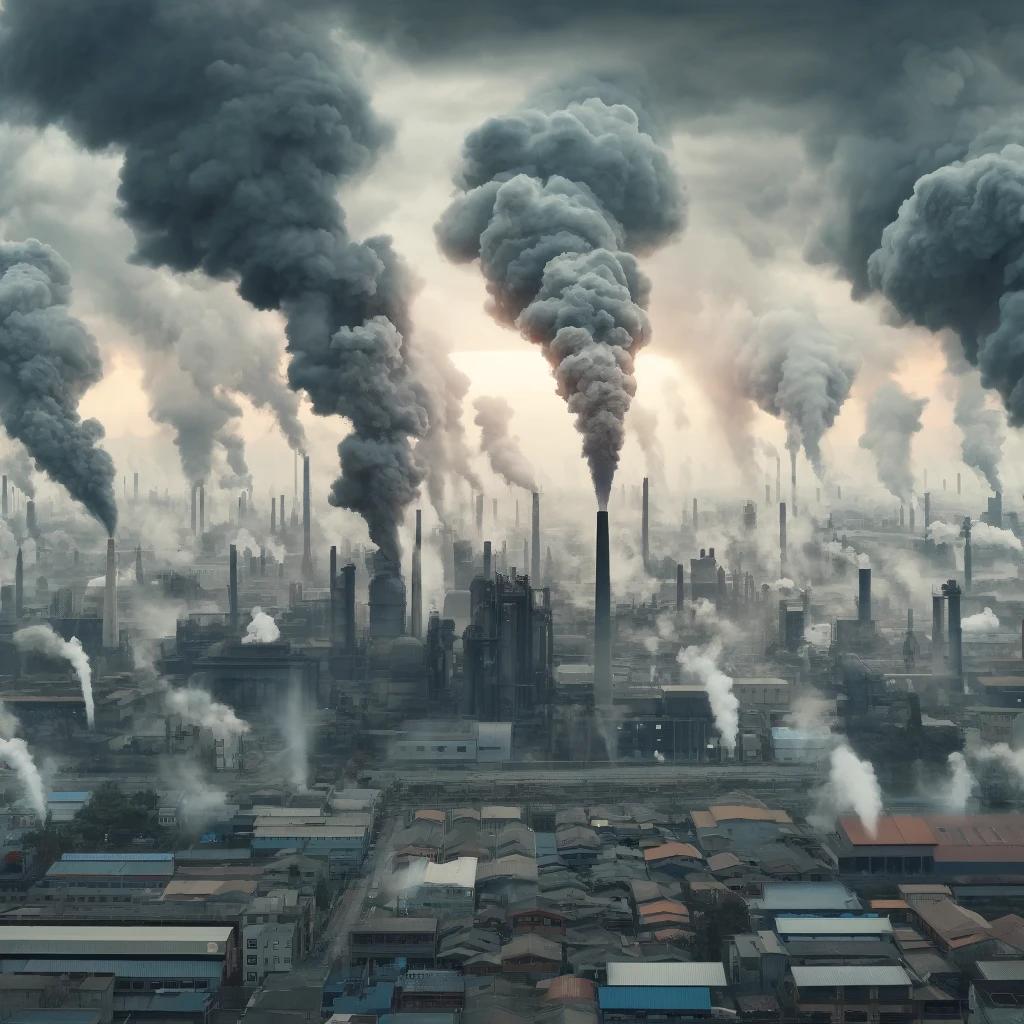
Flue dust has a serious impact on the environment. The main harmful effects include:
- air pollution: dust particles formed during combustion remain in the atmosphere, reducing air quality and contributing to the formation of smog;
- acid rain: sulfates and nitrates contained in flue gas dust can interact with water vapor in the atmosphere to form acid rain, which damages plants, soils and water bodies;
- greenhouse effect: some components of flue gas dust, such as soot particles, contribute to global warming by absorbing and trapping solar radiation in the atmosphere;
- pollution of soils and water bodies: settling on the surface of land and water, dust from flue gases can change their chemical composition, which negatively affects flora and fauna.
Air pollution is one of the most important environmental problems associated with flue gas dust. Dust particles can remain in the atmosphere for a long time, which leads to a decrease in the quality of the air that people and animals breathe. This can lead to various respiratory diseases, as well as exacerbation of chronic diseases such as asthma.
Acid rain, which is formed as a result of the interaction of flue gas dust with water vapor in the atmosphere, has a devastating effect on ecosystems. They lower the pH of soils and water bodies, which leads to the death of plants and animals, disrupting the natural balance of ecosystems. Also, acid rain contributes to the corrosion of buildings and infrastructure, causing significant economic losses.
The greenhouse effect caused by some components of flue gas dust is another serious problem. These particles absorb and retain solar radiation, which leads to an increase in the temperature of the planet. This can have catastrophic consequences for the climate, causing sea level rise, changes in weather conditions and other negative phenomena.
Contamination of soils and water bodies with flue gas dust leads to the accumulation of harmful substances in food chains. This can have serious consequences for the health of people and animals that consume contaminated food or water. It can also lead to the loss of biodiversity and degradation of ecosystems.
Pity for people
Dust from flue gases is also a serious threat to human health. The impact of these particles on the human body can lead to:
- respiratory diseases: small dust particles can penetrate deep into the lungs, causing bronchitis, asthma and other respiratory diseases;
- cardiovascular diseases: toxic elements of dust can enter the bloodstream, increasing the risk of heart attacks, strokes and other cardiovascular diseases;
- oncological diseases: some components of dust, such as heavy metals and carcinogenic compounds, can contribute to the development of cancers;
- allergic reactions: flue gas dust can cause allergic reactions in sensitive people, leading to eye, nose and skin irritation.
Respiratory diseases are one of the most common problems associated with the impact of flue gas dust on human health. Small dust particles can penetrate deep into the lungs, causing inflammatory processes, which leads to the development of bronchitis, asthma and other respiratory diseases. This is especially dangerous for children, the elderly and those who already have chronic respiratory diseases.
Cardiovascular diseases can also be caused by exposure to flue gas dust. Toxic elements contained in dust can enter the bloodstream, causing inflammatory processes in blood vessels and increasing the risk of heart attacks, strokes and other cardiovascular diseases. Studies have shown that even short-term exposure to high concentrations of dust can have serious consequences for the health of the cardiovascular system.
Oncological diseases can also be associated with exposure to flue gas dust. Some components of dust, such as heavy metals and carcinogenic compounds, can contribute to the development of cancer. This can be especially dangerous for people who are constantly exposed to high concentrations of dust, such as industrial workers or residents of areas with high levels of air pollution.
Allergic reactions are another problem associated with flue gas dust. Dust can cause eye, nose and skin irritation, as well as contribute to the development of allergic reactions in sensitive people. This can lead to a decrease in the quality of life and the need for constant medical supervision.
Ways to reduce harm
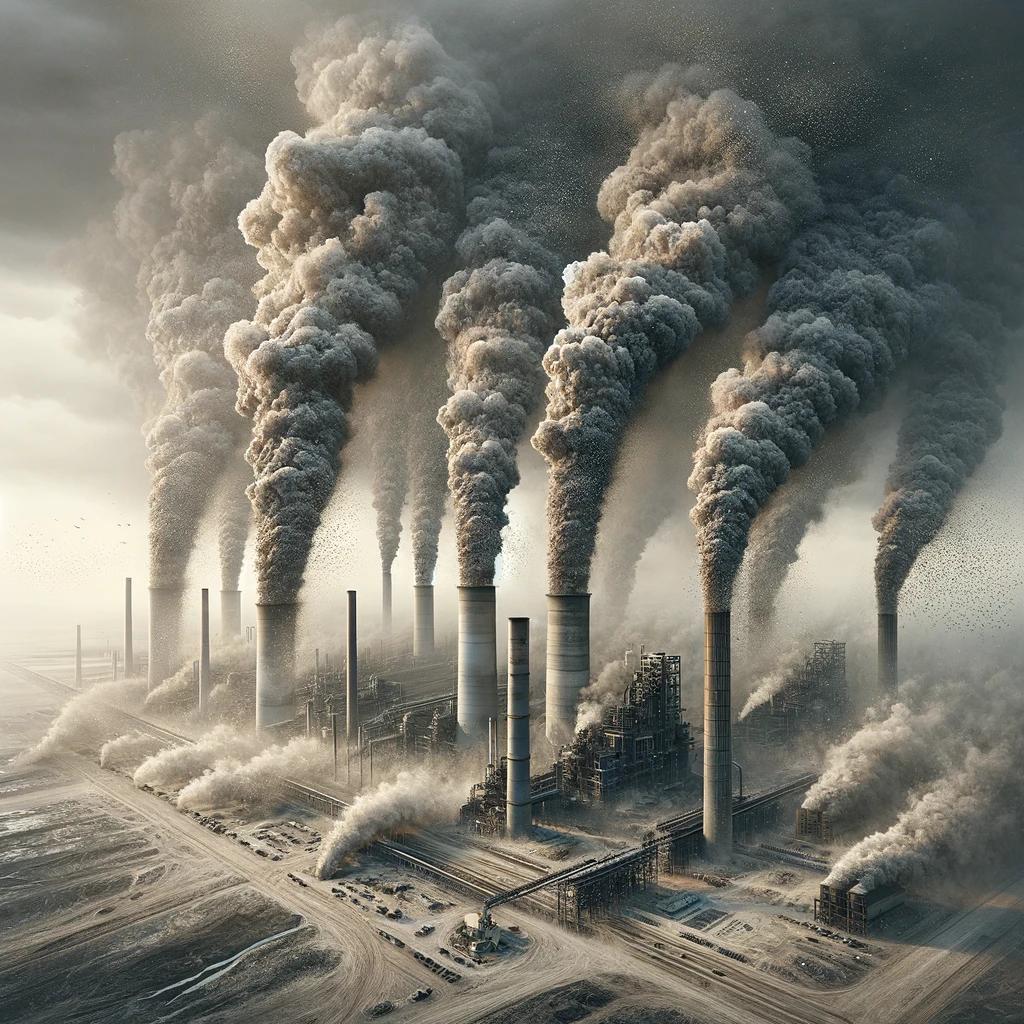
There are several effective methods of environmental management of hazardous waste from flue gas dust, which can reduce their negative impact on the environment and human health:
- filtration: the installation of highly efficient filters on industrial plants and vehicles helps to reduce dust emissions of flue gases into the atmosphere;
- gas cleaning: the use of flue gas cleaning technologies, such as electrostatic precipitators and cyclone separators, allows reducing the concentration of dust in emissions;
- use of alternative energy sources: the transition to renewable energy sources such as solar and wind energy reduces the need to burn fossil fuels, which leads to a reduction in the formation of dust and flue gases;
- environmental management of hazardous waste from flue gas dust: development and implementation of management strategies including collection, sorting, crushing and treatment of waste (D13);
- legislative regulation: the introduction of stricter emission standards and monitoring of their compliance helps to reduce the amount of flue gas dust in the atmosphere.
Filtration is one of the most effective methods of reducing flue gas dust emissions. Installation of highly efficient filters on industrial plants and vehicles allows to significantly reduce the amount of harmful substances entering the atmosphere. Modern filters can trap even the smallest dust particles, which makes this method very effective in combating air pollution.
Gas cleaning (R12) is also an important method of reducing flue gas dust emissions. The use of technologies such as electrostatic precipitators and cyclone separators allows reducing the concentration of dust in emissions to minimum levels. These technologies work on the principle of deposition of dust particles under the influence of electric fields or centrifugal force, which allows for effective cleaning of flue gases before their release into the atmosphere.
Using alternative energy sources can also significantly reduce flue gas dust generation. The shift to renewable energy sources, such as solar and wind power, reduces the need to burn fossil fuels, which are the main source of flue gas dust. This allows not only to reduce dust emissions, but also contributes to the reduction of greenhouse gas emissions, which is an important aspect of the fight against climate change.
Environmental management of hazardous waste from flue gas dust is another important direction in the fight against this problem. The development and implementation of effective management strategies, including the collection, sorting, crushing and processing of waste, allows to reduce its negative impact on the environment and human health. This also includes the transportation of hazardous waste from flue gas dust in accordance with all environmental and safety standards.
Legislative regulation is another important aspect in the fight against flue gas dust. The implementation of stricter standards for emissions and monitoring of their compliance helps to reduce the amount of dust and flue gases in the atmosphere. This includes the development of new regulatory documents and increased control over compliance with existing standards, which allows to ensure the appropriate level of environmental safety.
Management of hazardous waste from flue gas dust is an important task for modern society. The implementation of effective methods allows to significantly reduce the negative impact on the environment and human health. This includes the use of modern technologies, the transition to alternative energy sources and the improvement of the legislative framework, which ensures a high level of environmental safety.
Dust of flue gases. Code according to the National list of waste 10 04 04*, 10 05 03*, 10 06 03*. Operations in accordance with Annexes 1, 2 to the Law of Ukraine "On Waste Management" R12, D13.
Information about the company UtilVtorProm
The company "UtilVtorProm" is engaged in operations of collection, sorting, crushing and processing of hazardous waste from flue gas dust. We provide transportation of hazardous waste from flue gas dust taking into account all environmental and safety standards. Our mission is to implement effective methods of environmental management of hazardous waste from flue gas dust, which allows to reduce the negative impact on the environment and human health. We are constantly improving our technologies and processes to ensure the most efficient management of hazardous waste and to contribute to the preservation of the environment.
Why choose us
Professional waste management with care for the environment
Modern equipment
We use the latest technologies for efficient processing
Wide range of services
Comprehensive solutions for all types of waste
Comprehensive approach
Full management cycle from collection to disposal
Qualified staff
Experienced specialists with relevant certificates
All types of waste
We work with industrial waste
Over 10 years in the market
Reliable partner for businesses and organizations
Customer Reviews
Kozlovskyi Anastasiia
25.10.2023It is extremely difficult to find a company you can trust. We searched through reviews on the Internet and decided to choose this company. It was important for us to have a license for environmental waste management. It turned out that this is not the main thing. It's really convenient to work with you. Good luck in your business!
Kucher Mariia
08.11.2023Thank you very much for completing the order on environmental waste management. We were given only a day to collect, sort, crush and process hazardous waste. We need documents for reporting, so we asked for services here. It's a pleasure to recommend this company to others.
Hryshchenko Olena
30.01.2024It was needed very urgently, the work was completed promptly. We decided to entrust this company with the operations of collecting, sorting, crushing and processing hazardous waste. We need documents for reporting, so we asked for services here. The best company in Ukraine. We recommend.
Kravchenko Dmytro
17.02.2024Thank you very much for your cooperation. We have been working for a long time. The task was to transport hazardous production waste. We settled on this company. I liked literally everything: the management, the approach to work and punctuality. There are only a few such companies in Ukraine. We recommend!
Denys Zakharchuk
05.03.2024UtilVtorProm introduced an environmental service solution that integrated smoothly into our existing operations. Their handling of hazardous waste emphasized structure, timing, and process accountability.
Iryna Pavlenko
19.07.2024The company delivered a clearly defined waste management approach tailored to our site conditions. Transport coordination and material processing were carried out with consistent oversight.
Leave a Review
Share your experience working with us
