13 01 11* Synthetic hydraulic lubricants (oils)
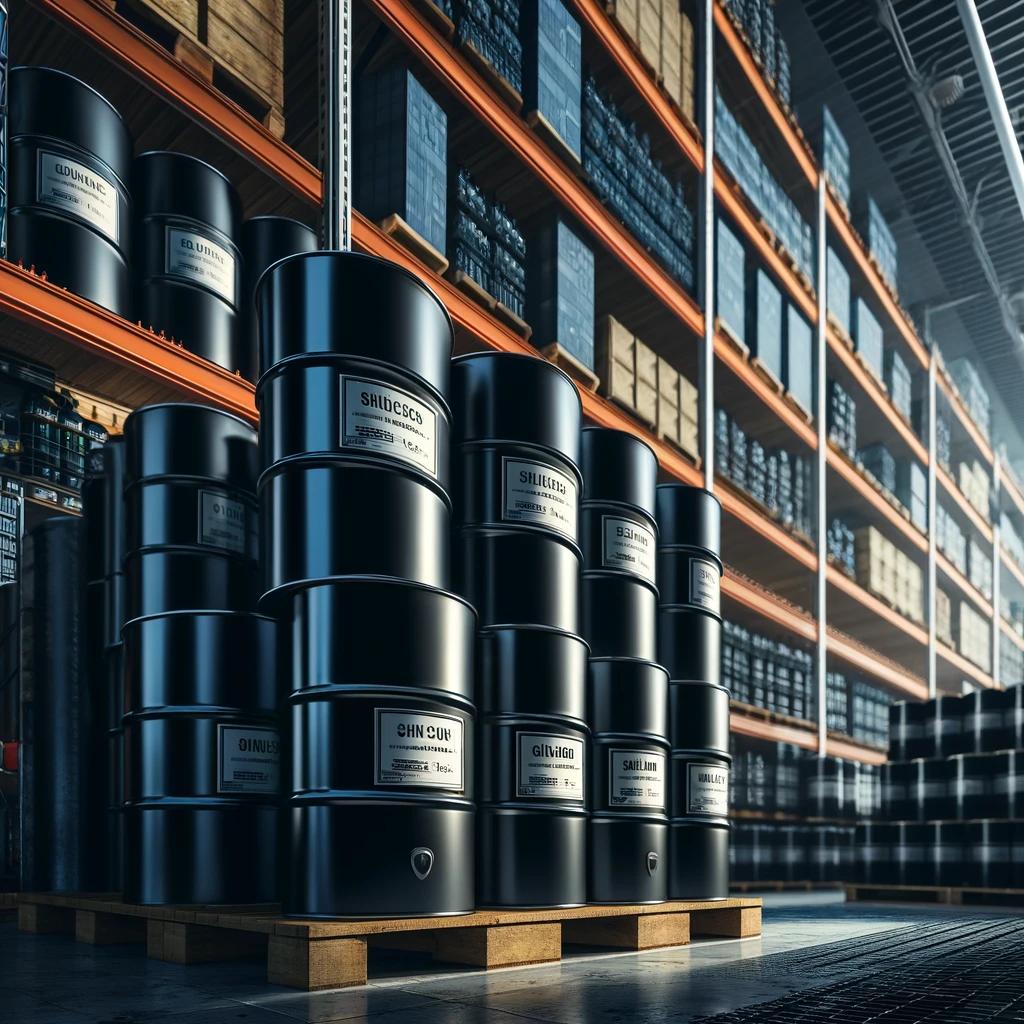
Synthetic hydraulic lubricants (oils) have become an integral part of many industries due to their unique properties. However, the growing use of these lubricants is accompanied by a number of problems that have a significant impact on the environment and human health.
Synthetic hydraulic lubricants (oils) are complex chemical compounds used in hydraulic systems for lubrication, cooling and power transmission. They have high resistance to oxidation, stability at high temperatures and low viscosity, which makes them indispensable in many industrial processes. However, these properties also create certain problems in the processing and destruction of used lubricants.
The use of synthetic hydraulic oils leads to the formation of large volumes of used oils, which are hazardous waste. Improper management of these wastes can lead to soil, water and air pollution, which negatively affects ecosystems and human health. Most enterprises face the problem of correct neutralization of such waste due to the high cost and complexity of the processes.
One of the main problems is the lack of proper environmental management of hazardous waste synthetic hydraulic oils. Many businesses do not have enough resources or knowledge to effectively manage such waste, resulting in improper storage. This, in turn, causes environmental pollution and threatens people's health.
Another problem is that synthetic hydraulic oils contain a variety of chemical components that can be resistant to biodegradation. This means that they can remain in the environment for a long time, accumulating in soil and water, and causing long-term environmental problems.
A pity for the environment and people

Synthetic hydraulic oils contain a variety of chemical components, including polyalphaolefins, phosphate esters, and other synthetic base oils that can be toxic to the environment. Getting these substances into the soil or water can cause serious environmental problems:
- pollution of water resources: spent lubricants can enter aquifers, contaminating ground and surface water. This can lead to the death of aquatic organisms and disruption of ecosystems.
- toxic effect on flora and fauna: chemical components of lubricants can be toxic to plants and animals, which leads to a decrease in biodiversity. For example, lubricants can cause the death of fish, birds and other animals that come into contact with polluted waters or soils.
- accumulation in ecosystems: Lubricants can accumulate in animal bodies, passing through the food chain and causing long-term environmental consequences. This can lead to the disruption of food chains and the reduction of populations of certain species.
In addition, synthetic hydraulic oils can affect air quality. Fumes from lubricants can enter the atmosphere, causing air pollution with toxic substances. This can have a negative impact on plants, animals and people who breathe the polluted air.
It is important to note that the consequences of environmental pollution with synthetic hydraulic lubricants can be long-lasting and difficult to correct. Therefore, it is necessary to implement effective measures to reduce their impact on the environment.
Pity for people
Contact with synthetic hydraulic lubricants can have a negative effect on human health. They can enter the body through the skin, respiratory tract or with food contaminated with toxic substances.
- Dermatological problems: contact with lubricants can cause skin irritation, allergic reactions and dermatitis. Long-term contact is especially dangerous, and can lead to chronic skin diseases.
- Respiratory problems: inhalation of fumes from lubricants can lead to irritation of the respiratory tract, coughing, bronchitis and other respiratory diseases. This is especially dangerous for workers who work in production conditions with a high concentration of oil vapors.
- Toxic effect: some components of lubricants can be carcinogenic or neurotoxic, causing serious diseases. For example, phosphate esters can cause damage to the nervous system and increase the risk of developing cancer.
In addition, contact with synthetic hydraulic lubricants can lead to intoxication of the body. This can cause general symptoms such as headache, dizziness, nausea and general weakness. In some cases, chronic intoxication may occur, requiring long-term treatment.
Children, pregnant women and the elderly are particularly vulnerable to the negative effects of synthetic hydraulic oils. Their bodies are more sensitive to toxic substances, which can lead to serious health consequences.
Ways to reduce harm
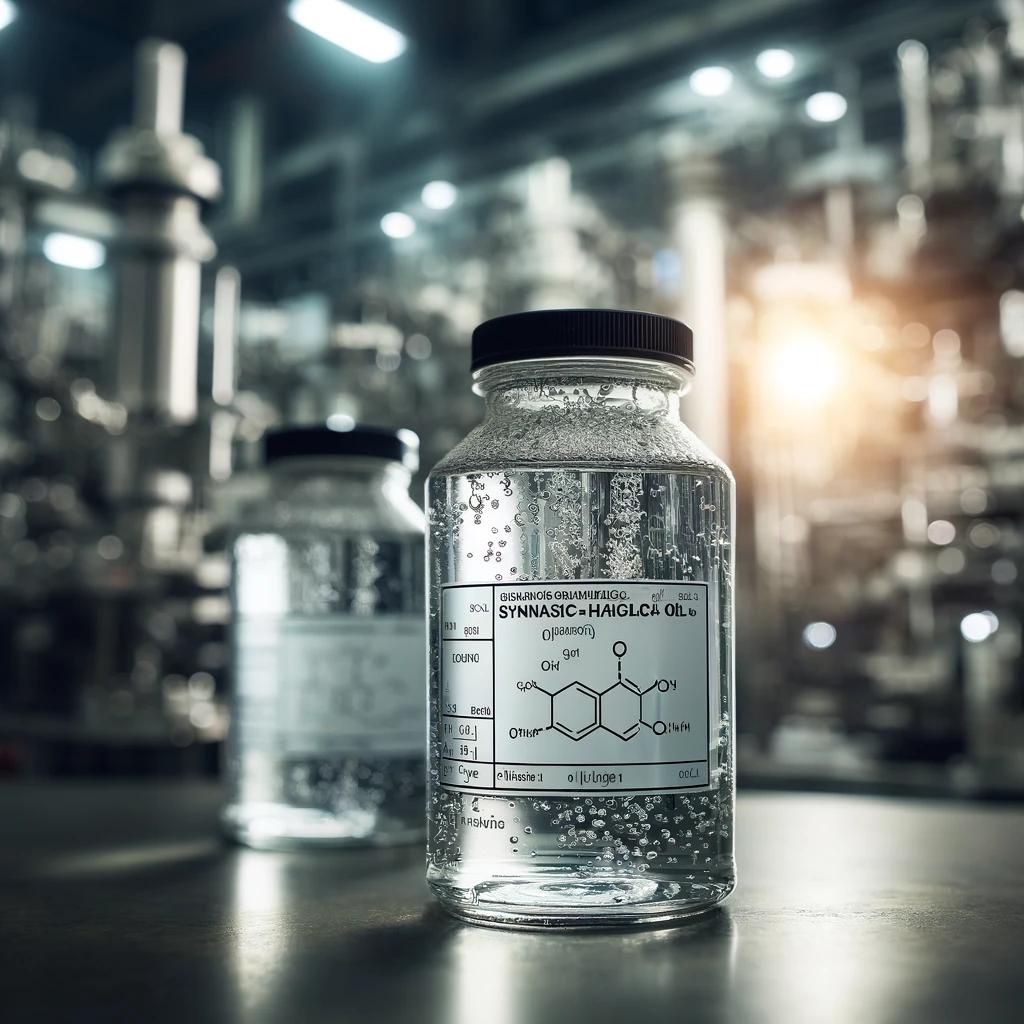
In order to reduce the damage caused by synthetic hydraulic oils, it is necessary to implement effective methods of environmental management of hazardous waste. This includes a variety of hazardous waste collection, sorting, crushing and processing operations:
- proper storage (R13): ensuring proper storage conditions for used lubricants to avoid leakage into the environment. This may include the use of special containers and tanks that prevent the penetration of lubricants into the soil and water;
- recycling and reuse: implementation of technologies that allow recycling of used lubricants and their reuse. For example, lubricants can be cleaned and reused in production processes, which reduces the need to produce new lubricants (R9);
- environmentally safe methods of processing: use of methods that minimize emissions of harmful substances into the environment. This may include the use of methods of thermal decomposition, biological decomposition or chemical processing, which allow the destruction of toxic components of lubricants.
In addition, it is important to ensure proper transportation of hazardous waste synthetic hydraulic oils. This includes the use of specialized vehicles and compliance with safety rules during transportation. It is also necessary to ensure the training of workers involved in the transportation and treatment of hazardous waste so that they are aware of potential risks and methods of their reduction.
An important component of harm reduction is the development and implementation of standards and regulations governing the management of hazardous waste synthetic hydraulic oils. This may include setting limits on emissions of toxic substances, requirements for waste storage, and monitoring compliance with these requirements.
Effective management of hazardous waste from synthetic hydraulic oils is a key element in protecting the environment and human health. This requires joint efforts of the state, business and the public to ensure sustainable development and environmental safety.
Synthetic hydraulic lubricants (oils). Code according to the National list of waste 13 01 11*. Operations in accordance with Annexes 1, 2 to the Law of Ukraine "On Waste Management" R9, R13.
Code according to Annexes VIII, IX to the Basel Convention on the Control of Transboundary Shipments of Hazardous Wastes and their Utilization/Removal А3020 (АС030)
UtilVtorProm company
The UtilVtorProm company deals with environmental management of hazardous waste of synthetic hydraulic lubricants (oils). We provide a full range of services for the transportation of hazardous waste, its collection, sorting, crushing and processing. Thanks to our modern technologies and experience, we provide safe and effective waste treatment, reducing their negative impact on the environment and human health.
We strive to ensure sustainable development and environmental safety by implementing best practices in hazardous waste management. Our methods of environmental management of hazardous waste synthetic hydraulic lubricants (oils) are aimed at minimizing their impact on the environment and human health.
The UtilVtorProm company is actively working on the development and implementation of innovative solutions in the field of hazardous waste management. We are committed to continuous improvement of our technologies and processes to ensure the highest standards of environmental safety. Our goal – to make the world cleaner and safer for future generations.
Through our efforts in the field of environmental management of hazardous waste synthetic hydraulic lubricants (oils), we help companies reduce their environmental footprint and improve working conditions for their employees. We are confident that by joint efforts we can achieve significant progress in ensuring sustainable development and environmental protection.
Why choose us
Professional waste management with care for the environment
Modern equipment
We use the latest technologies for efficient processing
Wide range of services
Comprehensive solutions for all types of waste
Comprehensive approach
Full management cycle from collection to disposal
Qualified staff
Experienced specialists with relevant certificates
All types of waste
We work with industrial waste
Over 10 years in the market
Reliable partner for businesses and organizations
Customer Reviews
Symonenko Serhii
29.10.2023We've been planning to write a review for a long time, but never got around to it. Ecology is very important to us. Therefore, we chose a company with a license to collect, sort, crush and process hazardous waste. A rare case of a quality approach to work. Thank you for your cooperation. Well done boys. Real professionals.
Mykhailova Artem
17.12.2023Thank you very much for completing the order on environmental waste management. Everyone would like the same level of service as here. Very pleased with the work. We have never regretted that we came here. We recommend it to everyone.
Fedorenko Yuliia
14.01.2024Greetings. We have been looking for a reliable partner in the field of waste management for a long time. We had a tight deadline, so we settled on this company. Everything is fast and high quality. Operations for collecting, sorting, crushing and processing hazardous waste are now only with you. Really competent employees. Thank you. We recommend.
Kravchenko Dmytro
13.02.2024Thank you for efficiency. We searched through reviews on the Internet and decided to choose this company. We will be glad to cooperate in the future. The first company I wanted to write a review about. Good luck with your work! Thank you.
Oleh Demchenko
07.08.2024UtilVtorProm supported our operations by establishing a clear and manageable hazardous waste handling process. Their coordination of transportation and processing ensured stable daily performance.
Alla Riabchenko
15.12.2024UtilVtorProm delivered dependable environmental services aligned with our facility’s workflow. The team maintained confident oversight of waste-related activities throughout cooperation.
Leave a Review
Share your experience working with us
