19 11 03* Aqueous liquid waste

Aqueous liquid waste is a significant environmental problem of the modern world. This type of waste is generated as a result of various industrial processes, domestic water use, as well as in agriculture. They contain various pollutants such as heavy metals, organic compounds, oil products and other harmful substances. The problem is that this waste often ends up in water resources, polluting rivers, lakes and oceans, which negatively affects ecosystems and human health.
Aqueous liquid waste is one of the biggest threats to the environment. They can contain a wide range of dangerous substances that are difficult to decompose naturally. For example, heavy metals such as mercury, lead, and cadmium can persist in the environment for long periods of time, accumulating in living organisms and passing through the food chain. In addition, organic pollutants such as pesticides and herbicides can cause serious problems for aquatic ecosystems by killing fish, plants and other organisms.
Another important problem is water pollution with microplastics. These small plastic particles are formed as a result of the breakdown of large plastic products and can absorb toxic substances, which then enter the bodies of aquatic creatures. Microplastics can also enter drinking water, which poses a potential threat to human health.
A pity for the environment and people
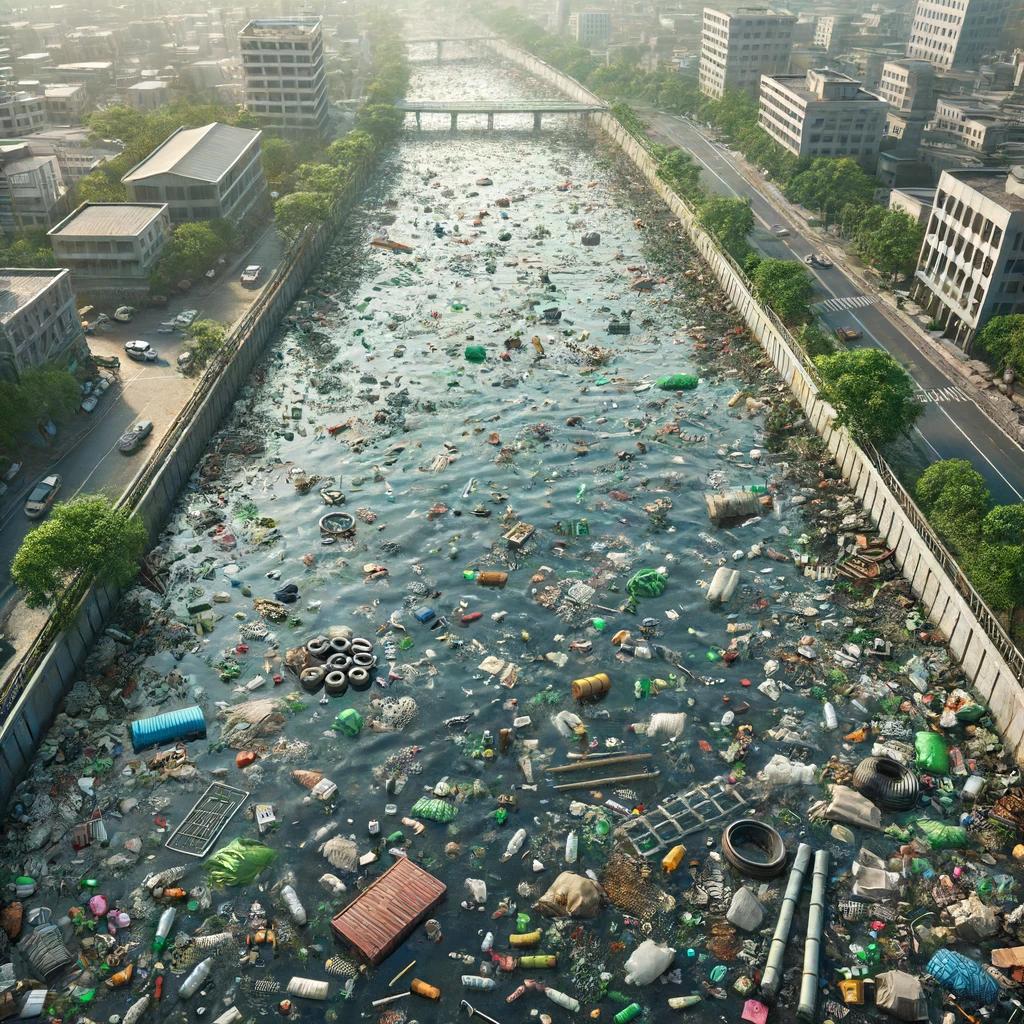
Damage from aqueous liquid waste for the environment is significant. First, they contribute to the pollution of water resources, which leads to the death of fish and other aquatic organisms. This can have a ripple effect throughout the ecosystem, disrupting food chains and reducing biodiversity.
Secondly, aqueous liquid waste can cause eutrophication of water bodies. This is a process in which excessive amounts of nutrients such as nitrogen and phosphorus enter the water, leading to rapid growth of algae. When these algae die, their decomposition consumes a lot of oxygen, creating low-oxygen zones where fish and other organisms cannot survive.
The third problem is related to the spread of toxic substances. For example, petroleum products can form a thin film on the water surface, which prevents gas exchange and leads to the death of aquatic organisms. Heavy metals such as mercury can accumulate in the bodies of fish and pass through the food chain, eventually reaching humans.
Pity for people
The harm from aqueous liquid waste to people is also significant. Contaminated water can cause various diseases such as gastrointestinal infections, skin diseases, and serious chronic diseases such as cancer. Heavy metals such as mercury can cause neurological disorders, particularly in children, who are particularly vulnerable to toxic substances.
In addition, water pollution can affect the quality of drinking water. Many regions of the world depend on surface and groundwater as the main source of drinking water. Contamination of these sources can lead to the need to use expensive water treatment technologies, which increases the cost of providing the population with safe water.
Another important problem is the impact of pollution on fisheries and aquaculture. Fish contaminated with toxic substances can be unsafe to eat, which can lead to losses in the fishing industry and threats to food security.
Aqueous liquid waste. Code according to the National list of waste 19 11 03*. Operations in accordance with Annexes 1, 2 to the Law of Ukraine "On Waste Management" D13, D15.
Ways to reduce harm
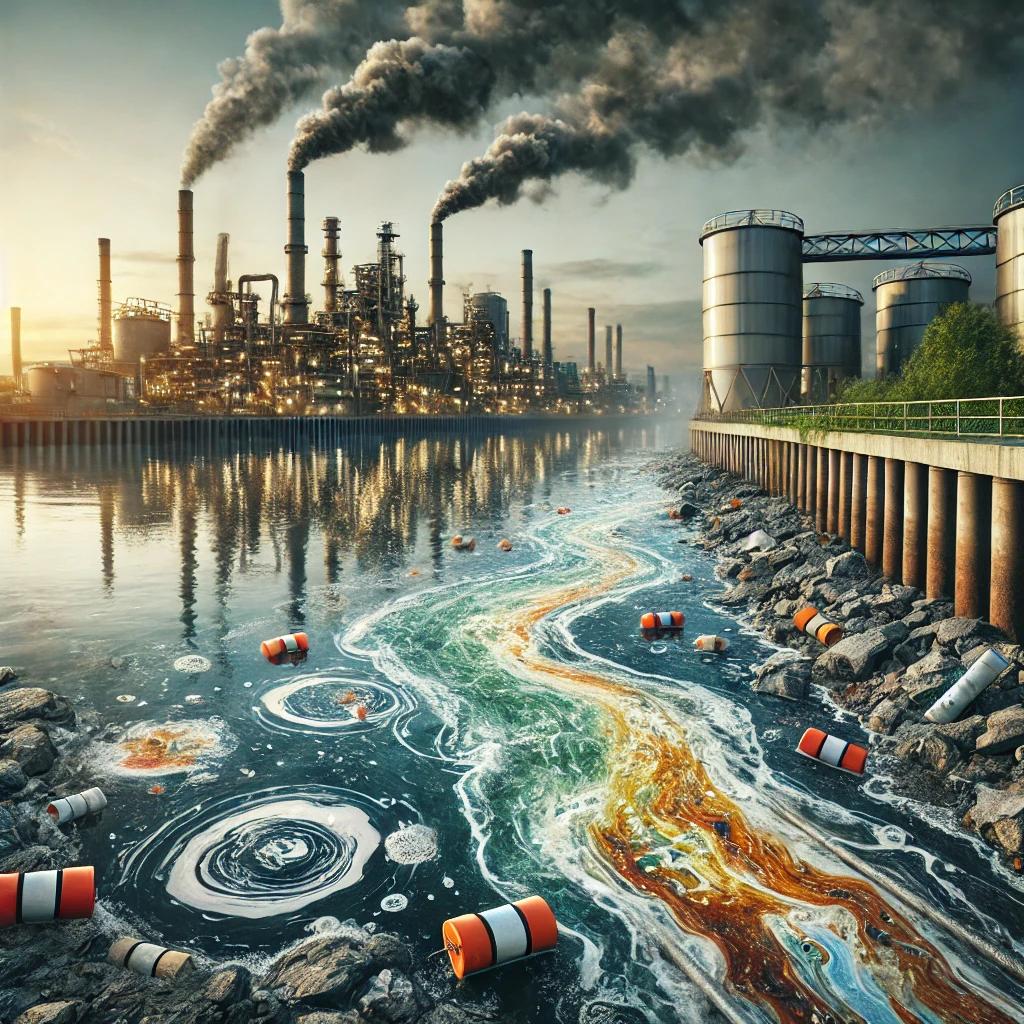
There are several effective methods of reducing the damage from aqueous liquid waste. First, it is important to ensure proper management of these wastes. Methods of environmental management of hazardous wastes of aqueous liquid wastes include collection, sorting, crushing and treatment (D13) of these wastes. This helps reduce the volume and toxicity of waste before it is transported to storage sites (D15).
Secondly, it is necessary to introduce wastewater treatment technologies. Modern cleaning methods allow you to effectively remove pollutants from water, reducing their negative impact on the environment. For example, the use of biological treatment methods can be effective in removing organic pollutants, while chemical methods allow the removal of heavy metals and other inorganic substances.
The third approach is to reduce the volume of aqueous liquid waste generation. This can be achieved by implementing more efficient production processes, using closed water supply and water circulation systems, as well as reducing the use of hazardous substances in industry.
It is also important to regularly monitor the state of water resources. This allows you to identify sources of pollution and take measures to eliminate them. Monitoring helps ensure water quality control and prevent negative consequences for ecosystems and human health.
The company "UtilVtorProm" actively deals with issues of environmental management of hazardous waste water liquid waste. We implement advanced technologies for collecting, sorting and processing waste, ensuring its safe storage and transportation. Our goal is to reduce the negative impact on the environment and people's health, ensuring the sustainable development of our country.
Aqueous liquid waste is a serious threat to the environment and human health. They cause pollution of water resources, the death of aquatic organisms, and can also cause serious diseases in humans. In order to reduce the harm caused by these wastes, it is necessary to implement effective management methods, cleaning technologies, and also to reduce the volume of their generation.
Why choose us
Professional waste management with care for the environment
Modern equipment
We use the latest technologies for efficient processing
Wide range of services
Comprehensive solutions for all types of waste
Comprehensive approach
Full management cycle from collection to disposal
Qualified staff
Experienced specialists with relevant certificates
All types of waste
We work with industrial waste
Over 10 years in the market
Reliable partner for businesses and organizations
Customer Reviews
Boyko Nataliia
31.10.2023Thank you for your quick response and solution to our problem with environmental waste management. We decided to work only with this company, because a license to transport hazardous waste is an indicator of trust. The hazardous waste task is now automatic. You can do your work without being distracted by this routine. Thank you. Very pleased with the work.
Zaytsev Ivan
25.11.2023Thanks for your work! We decided to come here, because having licenses is important. The cost of services is underestimated. The quality exceeds the cost several times. I would like to recommend this company, everything is at the highest level.
Didenko Yana
13.12.2023Thank you for the completed order. Making a decision in choosing a contractor company did not take much time. There is no point in looking for another contractor to manage your hazardous waste. All at the highest level! Really competent staff. Thank you. I recommend it.
Hrebeniuk Yuliia
28.01.2024Advised by partners, they have been working with UtilVtorProm for a long time. We decided to take a risk because we had not worked with you before. Our director is very pleased with the quality of your work. Thanks for your hard work. I would really like to recommend your company.
Volodymyr Kushnir
28.12.2024UtilVtorProm implemented a structured approach to hazardous waste handling for our company. Transportation and further processing were coordinated efficiently and without disruption.
Myroslava Halushka
22.03.2025UtilVtorProm provided consistent environmental support with ongoing oversight of waste-related processes. Their organized workflow ensured stability.
Leave a Review
Share your experience working with us
