08 03 12* Paint waste (ink) containing hazardous substances
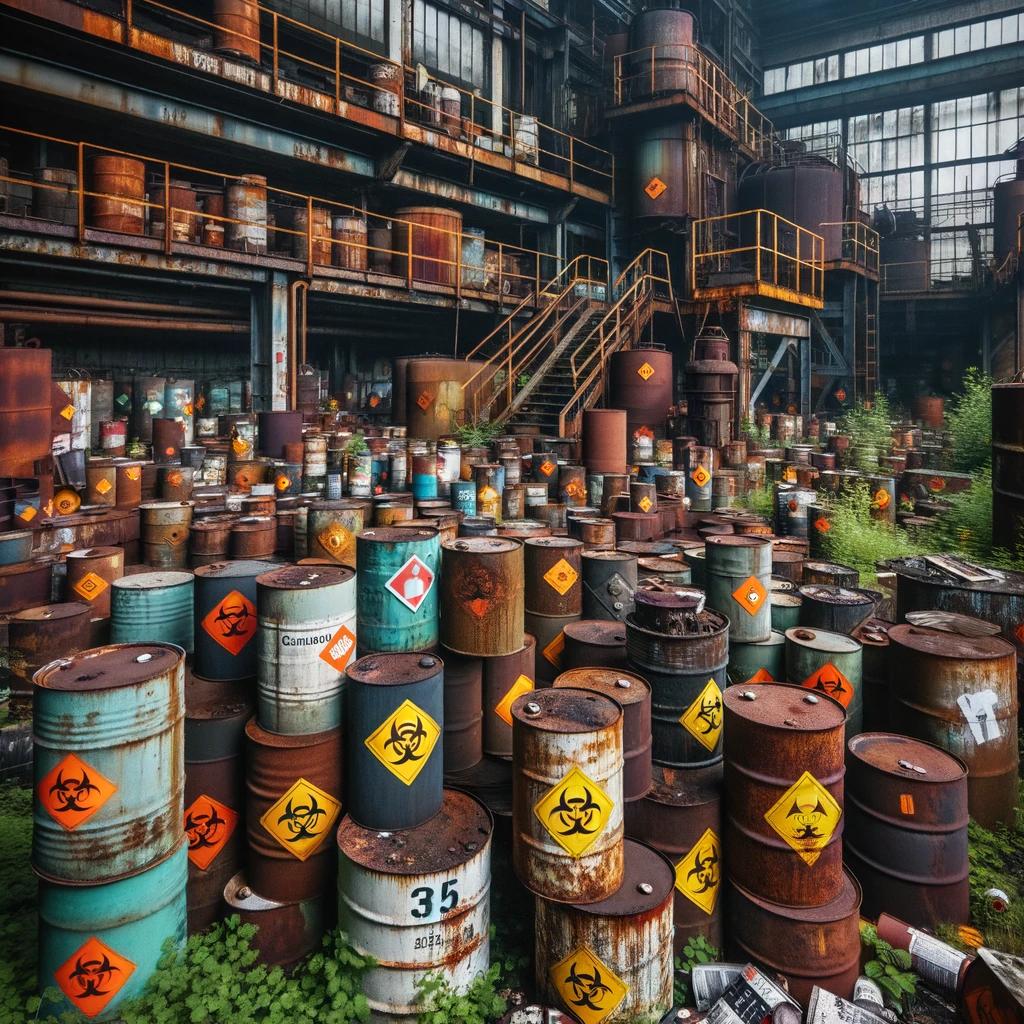
The problem of hazardous paint and ink waste is one of the most urgent in the modern world. Paints and inks used in industry, home and art contain various chemicals, many of which are toxic and harmful to the environment and human health. The waste of these materials requires a special approach to their collection, storage and processing, as their improper handling can lead to serious environmental disasters.
Paints and inks are an integral part of many industries, from construction to printing. They are used for painting walls, products, fabrics, documents and much more. However, along with the growth of production and consumption of these products, the amount of their waste also increases. Hazardous paint and ink waste contains heavy metals, volatile organic compounds, solvents and other harmful substances.
Incorrect storage and disposal of these wastes can lead to soil, water and air pollution. For example, heavy metals can accumulate in soil and enter plants, ultimately affecting the food chain and human and animal health. Volatile organic compounds, evaporating, pollute the atmosphere, causing various respiratory diseases in humans and animals.
Operations for collection, sorting, crushing and processing of hazardous paint (ink) waste containing hazardous substances require significant financial and technical resources. However, despite this, many countries do not have a sufficiently developed infrastructure to effectively manage such waste. This leads to the accumulation of hazardous materials in landfills, which become potential sources of pollution.
A pity for the environment and people
Waste paints and inks containing hazardous substances cause significant damage to the environment. One of the main components of this waste is heavy metals such as lead, cadmium, mercury, chromium and others. They have the property of accumulating in the organisms of living beings, causing various diseases and pathologies.
In addition to heavy metals, paints and inks contain volatile organic compounds (VOCs) that can evaporate and pollute the atmosphere. VOCs include benzene, toluene, xylene and other substances that have a toxic effect on living organisms. They contribute to the formation of photochemical smog, which negatively affects air quality and people's health.
Hazardous paint and ink waste can also pollute water resources. Solvents and other chemicals, entering the water, can lead to the death of aquatic organisms, as well as to the pollution of water used for drinking and domestic needs. This poses a serious threat to human health and the ecosystem in general.
Pity for people
Harmful substances contained in paint and ink waste can have a negative impact on human health. Heavy metals such as lead, cadmium and mercury can cause serious diseases of the nervous system, liver, kidneys and other organs. Constant contact with these substances can lead to chronic poisoning and other pathological conditions.
Volatile organic compounds that are part of paints and inks can cause respiratory diseases, allergies and other health problems. They can also have a carcinogenic effect, increasing the risk of developing cancer. It is important to note that exposure to these substances can be especially dangerous for children, pregnant women and people with reduced immunity.
The management of hazardous paint (ink) waste containing hazardous substances requires careful control and compliance with sanitary and hygienic standards. Improper handling of such waste can lead to serious consequences for the health of workers who collect, transport and process it.
Methods of environmental management of hazardous paint (ink) waste
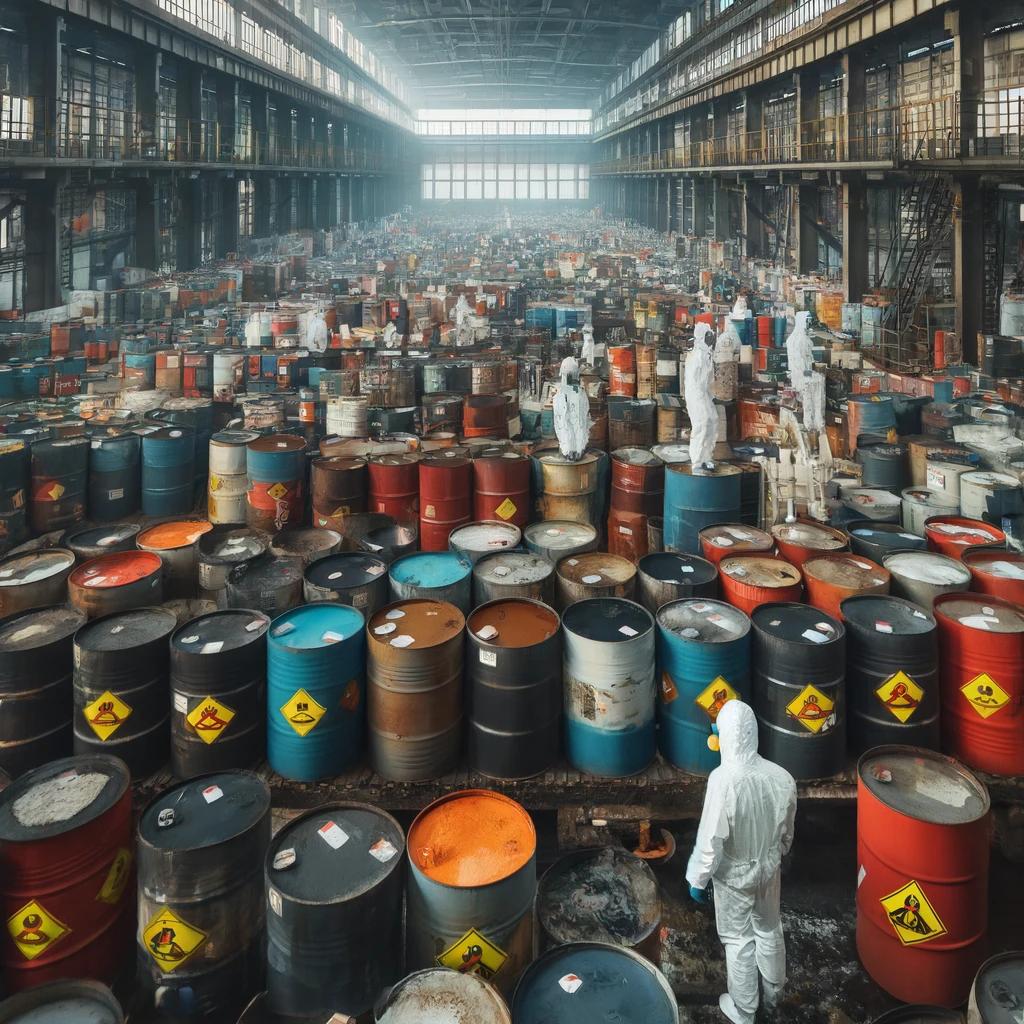
Reduction of harm from hazardous paint and ink waste is possible thanks to the implementation of modern methods of environmental management. This includes a set of measures aimed at minimizing the generation of waste, its recycling and safe storage. The following steps play an important role in this process:
- introduction of safe technologies for the production of paints and inks that reduce the content of hazardous substances;
- use of alternative materials that are less toxic and harmful to the environment and human health;
- organization of the system of collection and sorting of paint and ink waste for the purpose of their further processing (D15);
- use of modern methods of waste treatment, which allow to reduce their negative impact on the environment;
- ensuring proper transportation of hazardous paint and ink waste in compliance with all necessary safety standards.
Methods of environmental management of hazardous paint (ink) waste containing hazardous substances also include raising the level of awareness and awareness of the population about the need for proper disposal of such waste. An important aspect is also the support of scientific research in the field of development of new methods of processing and disposal (D10) of hazardous waste.
Waste paint (ink) containing hazardous substances. Code according to the National list of waste 08 03 12*. Operations in accordance with Annexes 1, 2 to the Law of Ukraine "On Waste Management" D10, D15.
Code according to Annexes VIII, IX to the Basel Convention on the Control of Transboundary Movements of Hazardous Wastes and their Utilization/Removal А4070 (AD070)
The company "UtilVtorProm" is one of the leaders in the market of environmental management of hazardous waste in Ukraine. We offer comprehensive solutions for the collection, transportation, sorting and treatment of hazardous paint and ink waste. Our company uses modern technologies and equipment that allows for safe and effective waste management.
Thanks to our experience and professionalism, we help our clients to reduce the negative impact on the environment and human health. We strive to constantly improve our services and introduce new methods of processing hazardous waste that meet the highest quality and safety standards.
Methods of environmental management of hazardous waste paints (inks) containing hazardous substances that we use include not only technical aspects, but also educational programs for the public and businesses. We actively cooperate with scientific institutions and environmental organizations, which allows us to remain at the forefront in the field of ecological waste management.
Why choose us
Professional waste management with care for the environment
Modern equipment
We use the latest technologies for efficient processing
Wide range of services
Comprehensive solutions for all types of waste
Comprehensive approach
Full management cycle from collection to disposal
Qualified staff
Experienced specialists with relevant certificates
All types of waste
We work with industrial waste
Over 10 years in the market
Reliable partner for businesses and organizations
Customer Reviews
Sydorenko Serhii
25.10.2023I would like to thank you for the high-quality work on waste management. Ecology is very important to us. Therefore, we chose a company with a license to collect, sort, crush and process hazardous waste. Environmental waste management can be entrusted without worrying about the results. Very pleased with the work. An example for others to follow. I recommend!
Yermolenko Mykola
16.11.2023Thank you for the completed order. We refused to work with others and used the services of this company. Operations for collecting, sorting, crushing and processing hazardous waste are no longer an impossible task. Thank you. We will contact you many times.
Kravchenko Nataliia
01.02.2024Contact us regarding waste management issues. We approach the selection of a contractor for environmental hazardous waste management methods very critically. We settled on this company. I really liked the work of this company. Order here.
Zhylenko Viktoriia
18.02.2024We have been working for several years, everything is always at the highest level. The choice was obvious, since we needed a partner with all the permits. We will be glad to cooperate in the future, I really liked the approach to work. It's a pleasure to recommend such a company.
Vladyslav Sheremet
07.08.2024A coherent environmental support framework was put in place without altering internal workflows. Hazardous waste activities were managed through clearly defined and controlled stages.
Alla Kyrychenko
30.10.2024Site conditions shaped a functional waste management approach. Each phase progressed with steady supervision and consistency.
Leave a Review
Share your experience working with us
