16 12 31*, 17 08 01* Gypsum-based construction materials containing hazardous substances
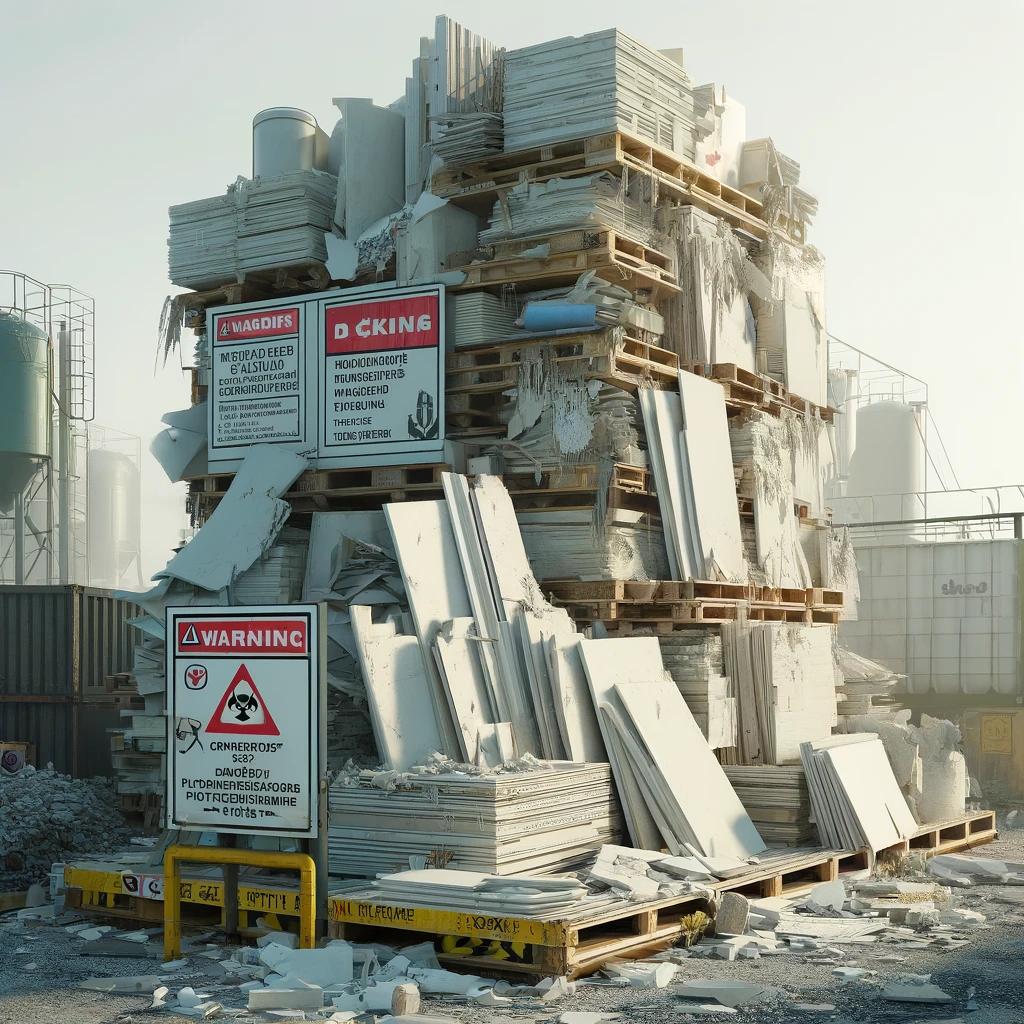
Gypsum-based building materials are widely used in the modern construction industry due to their affordability, ease of processing and excellent properties. However, with the development of production technologies, the problem of the use of hazardous substances in the composition of these materials is becoming increasingly common. This creates serious environmental and health hazards that require immediate solutions.
Gypsum building materials usually include various impurities that may contain hazardous substances. In the process of production of such materials, chemical additives can be used to improve their properties, which often contain toxic elements. These impurities may include:
- heavy metals;
- formaldehydes;
- phosphates;
- other toxic compounds.
The problem is exacerbated by the improper management of waste gypsum-based construction materials, which can enter the environment and pose a significant threat to ecosystems and human health. Methods of environmental management of hazardous waste of gypsum-based construction materials containing hazardous substances are necessary to reduce the negative impact on the environment.
In modern construction, gypsum materials are used to create walls, ceilings, decorative elements and other structures. These materials have a number of advantages, such as excellent sound insulation, thermal insulation, fire resistance and ease of use. However, in order to improve these properties, manufacturers add various chemical additives to gypsum, which may contain dangerous substances. For example, polymers containing formaldehyde can be used to increase strength, and phosphates and other flame retardants can be used to reduce flammability. Heavy metals may be present in the form of dyes or stabilizers.
The problem is also that during the dismantling or destruction of building structures, gypsum materials turn into waste, which is often improperly disposed of. This waste may contain hazardous substances that may enter the environment, contaminating soil and water resources, as well as posing a threat to human and animal health.
Gypsum-based construction materials containing hazardous substances. Code according to the National list of waste 16 12 31*, 17 08 01*. Operations in accordance with Annexes 1, 2 to the Law of Ukraine “On Waste Management” D13, D15, D8.
A pity for the environment and people
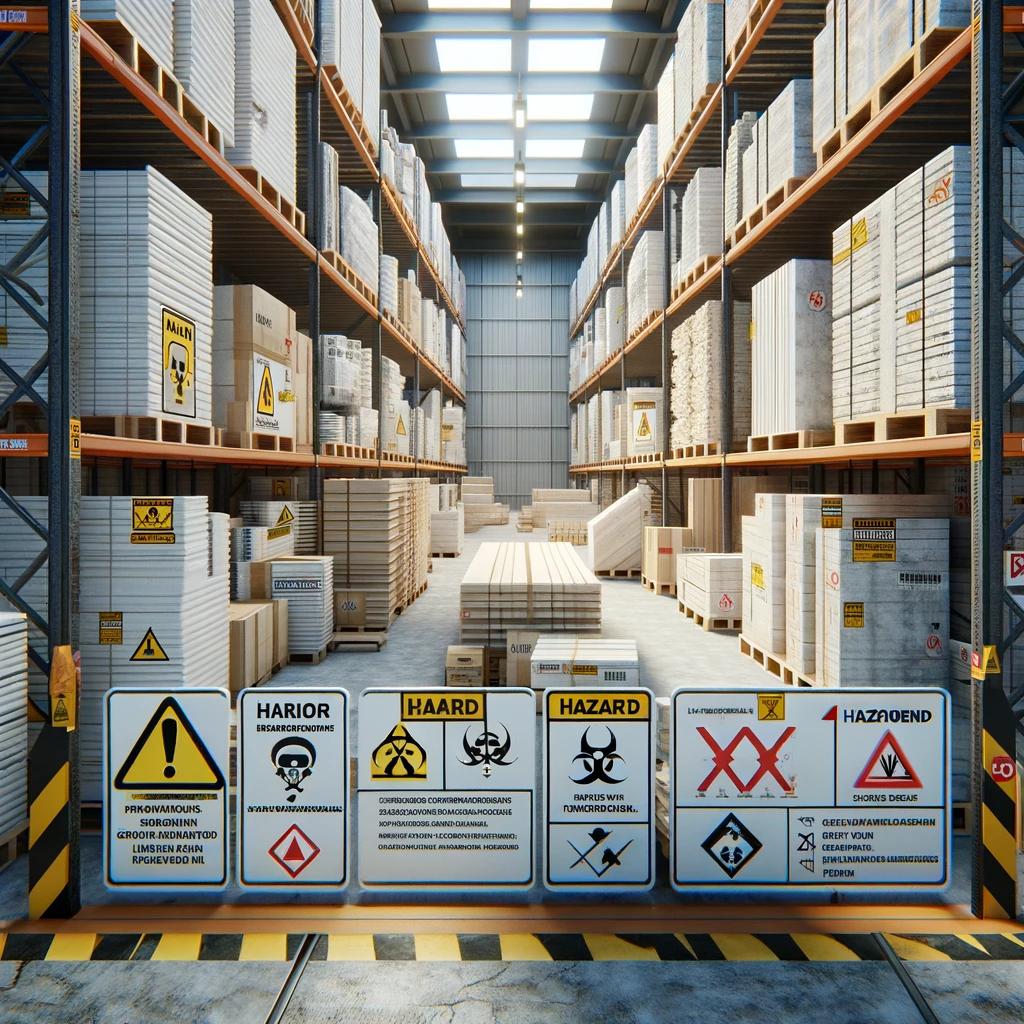
The impact of hazardous substances contained in gypsum building materials on the environment is significant. Improper handling of such waste can lead to soil, water and atmosphere pollution. The main threats to ecology include:
- pollution of water resources by heavy metals;
- accumulation of toxic substances in the soil;
- emissions of dangerous gases into the atmosphere.
Gypsum materials containing heavy metals can leach from waste and enter groundwater, contaminating water resources used for drinking and irrigation. This creates risks for the health of people and animals, as well as negatively affects the plant life. Ecological management of hazardous waste of gypsum-based construction materials helps to reduce these risks and ensure environmental safety.
Emissions of heavy metals such as lead, cadmium, mercury and others can lead to long-term pollution of aquatic ecosystems. These metals can accumulate in algae, fish and other aquatic organisms, posing a threat to the entire food chain. Drinking water contaminated with heavy metals can be dangerous to drink, causing various diseases in humans and animals.
Hazardous substances can also enter the atmosphere during the production, storage (D15) and transportation of gypsum materials. For example, dust generated during the cutting or processing of gypsum boards may contain toxic substances that, when inhaled, can cause respiratory diseases in workers and the surrounding population. Gaseous emissions containing formaldehyde and other volatile organic compounds can lead to air pollution and negatively affect the health of people and animals.
It is also important to note that the accumulation of toxic substances in the soil can have long-term consequences. Hazardous substances can affect the growth and development of plants, reducing the yield and quality of agricultural products. Contaminated soils can become unsuitable for agricultural use, which can have serious economic consequences for farmers and local communities.
Pity for people
The use of gypsum-based building materials containing hazardous substances can have serious consequences for people's health. Hazardous chemicals can enter the body in a variety of ways, including:
- dust inhalation;
- contact with the skin;
- consumption of contaminated water.
Constant exposure to such substances can lead to the development of chronic diseases, including:
- respiratory diseases;
- allergic reactions;
- oncological diseases.
Therefore, the management of hazardous waste of gypsum-based construction materials is critical for the protection of human health. Operations for the collection, sorting, crushing and processing of hazardous waste (D13) of gypsum-based construction materials containing hazardous substances help to reduce their negative impact on public health.
Inhalation of dust containing dangerous substances can lead to the development of various respiratory diseases. For example, dust containing crystalline silica can cause silicosis, a chronic lung disease that is accompanied by inflammation and fibrosis of lung tissue. In addition, dust containing formaldehyde and other volatile organic compounds can cause respiratory tract irritation, coughing, bronchitis and asthma.
Skin contact with hazardous substances can cause a variety of dermatological problems, including irritation, allergic reactions, and chronic dermatitis. Some chemicals can penetrate the body through the skin, causing systemic toxic effects. For example, heavy metals such as lead and cadmium can accumulate in the body, affecting the functions of the nervous system, kidneys and other organs.
Consumption of contaminated water containing heavy metals and other toxic substances can have serious health consequences. Long-term use of such water can lead to the development of chronic diseases, including diseases of the kidneys, liver, cardiovascular system and cancer. Children and pregnant women are especially vulnerable to the effects of toxic substances that can cause impaired fetal development, reduced immunity and other serious health problems.
Therefore, it is important to ensure effective management of hazardous waste of gypsum-based construction materials to protect public health. This includes in operations of collecting, sorting, crushing and processing such waste in order to reduce their negative impact on human health and the environment.
Ways to reduce harm
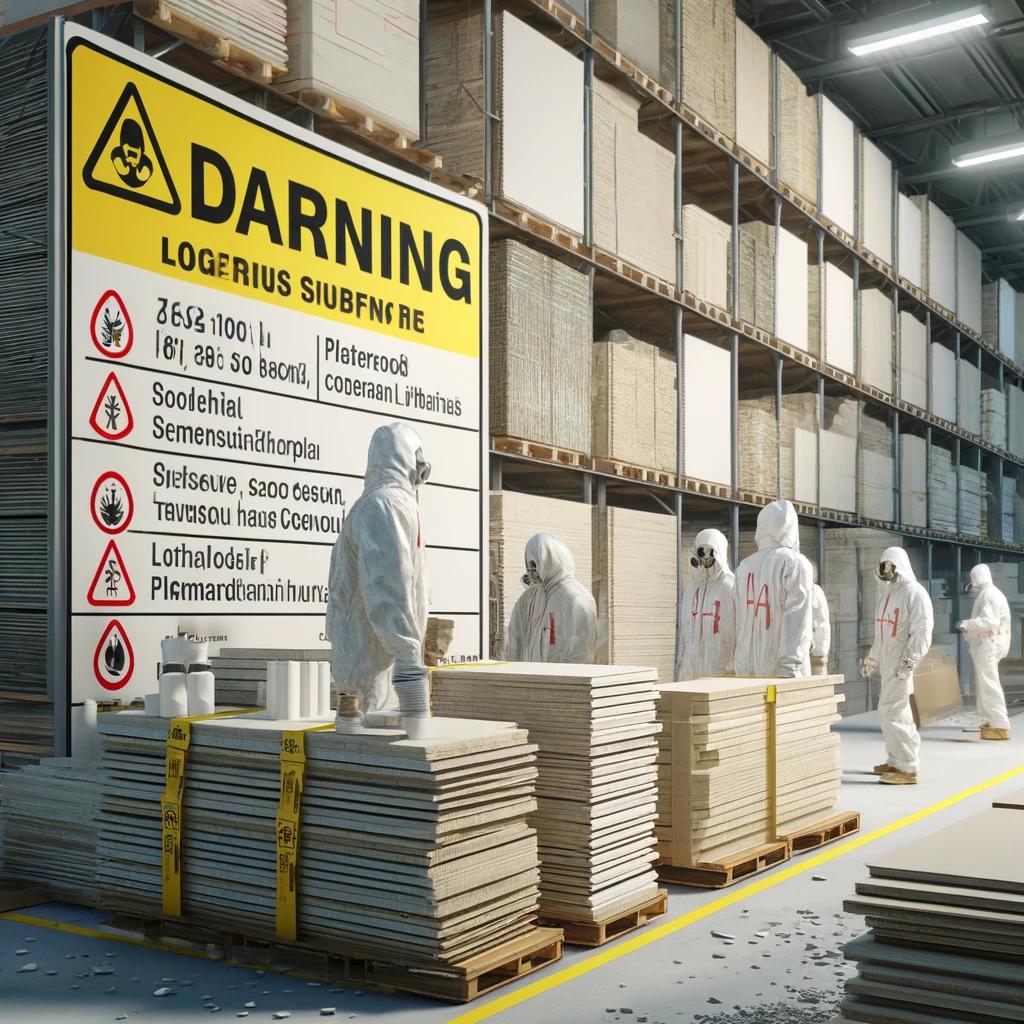
Reducing harm from hazardous gypsum-based building materials requires a comprehensive approach, including:
- improvement of production technologies;
- implementation of effective processing methods;
- ensuring safe storage and transportation;
- increasing public awareness.
Methods of ecological management of hazardous waste of gypsum-based construction materials include:
- use of safe chemical substitutes in production;
- improvement of waste processing processes;
- implementation of modern waste processing technologies.
The company "UtilVtorProm" is engaged in comprehensive management of hazardous waste, including construction materials based on gypsum. We provide operations for the collection, sorting, crushing and processing of hazardous waste, as well as their safe transportation. Our specialists are constantly improving methods of environmental management to ensure maximum protection of the environment and people's health.
Management of hazardous waste of gypsum-based construction materials requires a systematic approach and involvement of all interested parties. Cooperation between producers, recycling organizations and the public is essential to ensure safe and effective waste management.
Thus, ecological management of hazardous waste of gypsum-based construction materials is an important component of the sustainable development strategy. The use of modern technologies and effective management methods will help reduce the negative impact on the environment and human health, ensuring a safe future for future generations.
In addition to using safe chemical substitutes in production, it is important to improve waste processing processes. This may include the application of modern technologies for the removal of hazardous substances from waste and their subsequent safe storage or use. It is also important to ensure proper control over the transportation of hazardous waste to avoid its leakage into the environment.
Raising public awareness of the problem of hazardous waste of gypsum-based construction materials is also an important aspect of environmental management. People need to understand the risks associated with mismanaging such waste and know about methods of safe storage and recycling. This may include educational campaigns, seminars and training for construction industry workers and the general public.
Ensuring safe storage of hazardous waste is also an important step in its management. Waste must be stored in specially equipped places that meet all environmental norms and standards. This will help to avoid their leakage into the environment and reduce the risk of negative impact on human health and ecosystems.
The management of hazardous waste of gypsum-based construction materials is a complex and multifaceted process that requires the involvement of all interested parties and the use of modern technologies. It is important to ensure effective environmental management, which includes all stages from production to processing and storage of waste. This will help reduce the negative impact on the environment and human health, ensuring a safe future for future generations.
The implementation of modern waste treatment technologies may include the use of various methods for removing hazardous substances from gypsum materials. For example, it can be chemical, thermal or biological methods (D8) that allow reducing the concentration of toxic substances and making the waste safe for further use or storage. It is also important to ensure proper control of the waste treatment process to ensure its safety and efficiency.
Effective management of hazardous waste from gypsum-based construction materials is an important aspect of environmental management. This includes all stages from production to processing and storage of waste, as well as raising public awareness of the risks associated with improper management of such waste. It is important to ensure cooperation between producers, recycling organizations and the public to achieve sustainable development and preserve the environment for future generations.
Why choose us
Professional waste management with care for the environment
Modern equipment
We use the latest technologies for efficient processing
Wide range of services
Comprehensive solutions for all types of waste
Comprehensive approach
Full management cycle from collection to disposal
Qualified staff
Experienced specialists with relevant certificates
All types of waste
We work with industrial waste
Over 10 years in the market
Reliable partner for businesses and organizations
Customer Reviews
Kovalchuk Olha
01.11.2023Satisfied with the hazardous waste management work. The cost of services is underestimated. The quality exceeds the cost several times. We recommend ordering services here.
Romanenko Olena
13.12.2023Thank you very much for your efficient work. We have contacted your company several times, everything is always at the highest level. It's hard to find a better company. Operations for collecting, sorting, crushing and treating hazardous waste are no longer a problem. Feel free to contact us.
Zakharchenko Denys
07.01.2024Thank you for your cooperation. Everything is fast and high quality. Operations for collecting, sorting, crushing and processing hazardous waste are now only with you. I would like to recommend this company, everything is at the highest level.
Zinchenko Yevheniia
18.02.2024There is often a need for environmental waste management. There was a choice between this company and another. We settled on this one and were not disappointed. We will be glad to cooperate in the future, I really liked the approach to work. Convenient working conditions. We recommend.
Roman Skoryk
12.01.2024UtilVtorProm delivered a coordinated and controlled service for hazardous waste handling at our company. Transportation and processing were managed smoothly and reliably.
Viola Kucherenko
14.03.2024UtilVtorProm provided consistent environmental support with clear oversight of waste-related activities. Their structured coordination ensured stable operations.
Leave a Review
Share your experience working with us
