16 06 03* Mercury-containing batteries
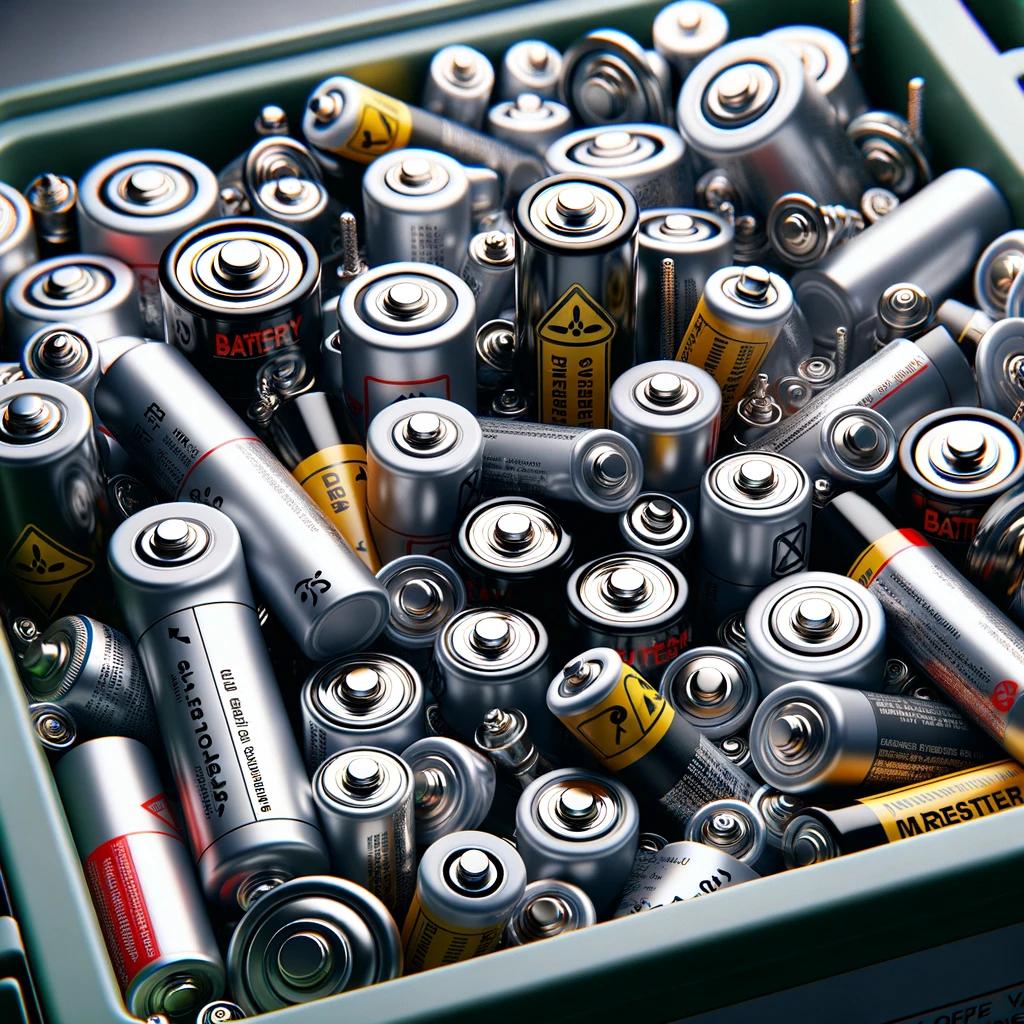
Mercury batteries are used in a variety of devices, from watches to medical devices. Their prevalence is due to high energy intensity and long service life. However, the mercury contained in these batteries is a hazardous substance that can cause serious environmental and health problems. The problem with mercury-containing batteries is that at the end of their useful life, they often end up in landfills, where mercury can leach into soil and water resources.
Incorrect management of hazardous waste from mercury-containing batteries leads to their accumulation in the natural environment, posing a threat to ecosystems and people. The lack of proper methods of environmental management of hazardous waste from mercury-containing batteries is one of the main reasons for this problem. Society must realize the seriousness of the situation and take effective measures to manage such waste.
Despite high indicators of energy intensity, mercury-containing batteries are a serious problem for the environment and human health. The lack of proper hazardous waste management programs results in a significant increase in the number of end-of-life batteries in landfills. This causes serious environmental problems, as mercury can enter the soil and water resources, poisoning them.
Also, many people are unaware of the dangers these batteries pose. They often throw them away with household waste, which contributes to the spread of mercury in the natural environment. The lack of information and educational programs on this issue only worsens the situation.
Addressing this problem requires a comprehensive approach that includes effective hazardous waste management, public education programs, and the development of alternative mercury-free technologies. Only in this way will we be able to reduce the negative impact of mercury-containing batteries on the environment and human health.
A pity for the environment and people
Mercury is a heavy metal that can accumulate in the organisms of animals and plants. This leads to contamination of food chains, which has serious consequences for all living things. When entering water resources, mercury transforms into methylmercury, which is extremely toxic. Methylmercury accumulates in fish, which are then consumed by humans and other animals, leading to serious diseases.
Soil contamination with mercury is a serious problem because the metal can remain in the soil for decades. Plants growing on such soil absorb mercury, which then enters the food chain. This causes mass poisoning among animals and people who consume these plants or animal products.
- Pollution of soil and water resources;
- Accumulation of mercury in food chains;
- Destruction of ecosystems.
Mercury contained in batteries can leach into groundwater, which is then used for drinking and agriculture. This creates an additional threat to the health of people and animals. Contamination of water with mercury can cause mass poisoning, which is especially dangerous for children and pregnant women.
The impact of mercury on aquatic ecosystems is catastrophic. Methylmercury, which forms in water, is extremely toxic and can kill fish and other aquatic organisms. This leads to a decrease in biodiversity and a violation of the ecological balance.
Pity for people
Mercury batteries pose a significant threat to human health. Contact with mercury can lead to various diseases, including problems with the nervous system, kidneys and other organs. Methylmercury, which accumulates in fish, can cause serious poisoning if contaminated fish is consumed.
The impact of mercury on human health includes:
- damage to the nervous system;
- kidney problems;
- poisoning due to consumption of infected fish;
- development of chronic diseases.
Mercury poisoning can have serious consequences for the nervous system. This manifests itself in the form of cognitive disorders, problems with memory, coordination and emotional stability. Children are especially vulnerable, as mercury poisoning can lead to developmental delays and learning problems.
Kidney problems are also frequent consequences of mercury exposure. This metal accumulates in the kidneys, causing their damage and reduced functionality. This can lead to serious diseases that require long-term treatment.
Poisoning through the consumption of contaminated fish is one of the main causes of mercury poisoning in humans. Methylmercury, which accumulates in fish, is extremely toxic and can cause serious illness if even a small amount of contaminated fish is consumed. This is especially dangerous for pregnant women, as mercury can penetrate the placenta and harm the developing fetus.
In addition, mercury can cause the development of chronic diseases that are difficult to treat. This includes diseases of the cardiovascular system, problems with the musculoskeletal system and other serious pathologies. The impact of mercury on human health is extremely serious, so it is necessary to take all measures to reduce this threat.
Ways to reduce harm
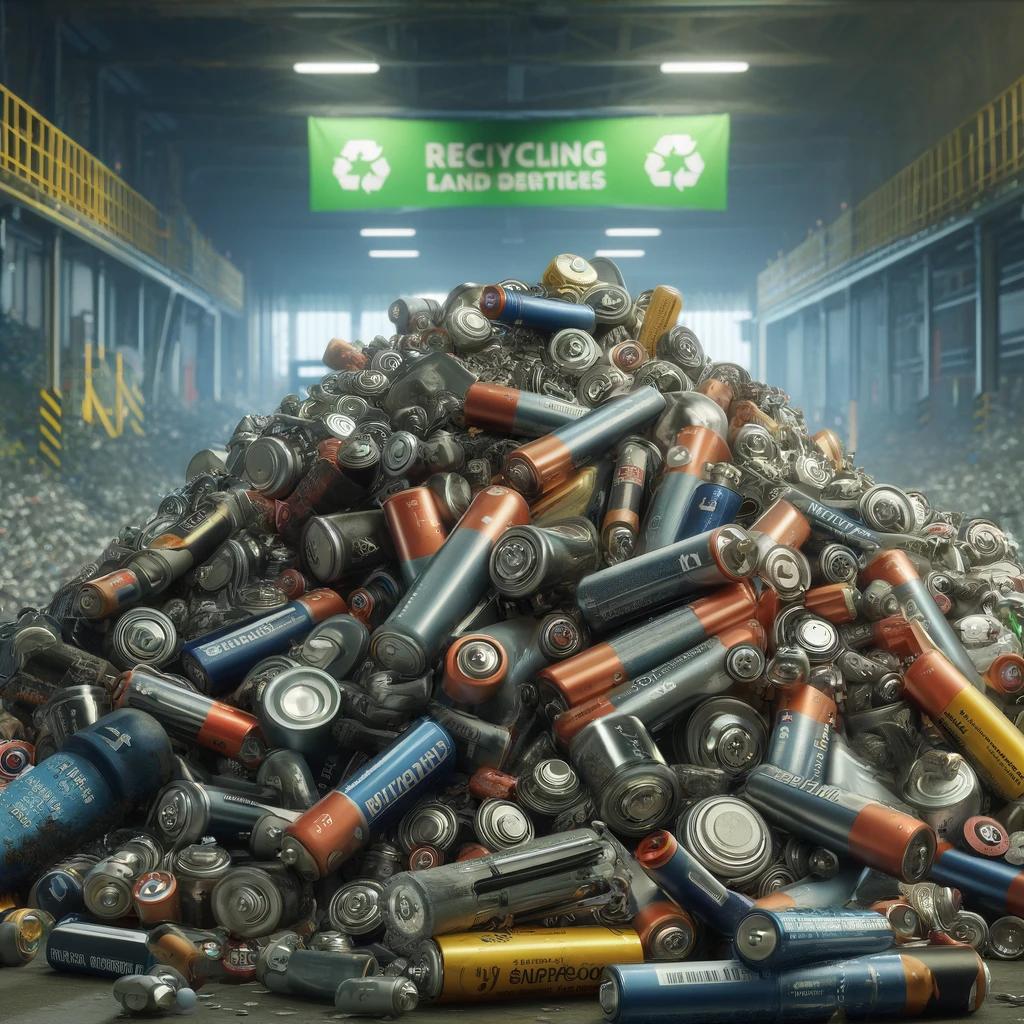
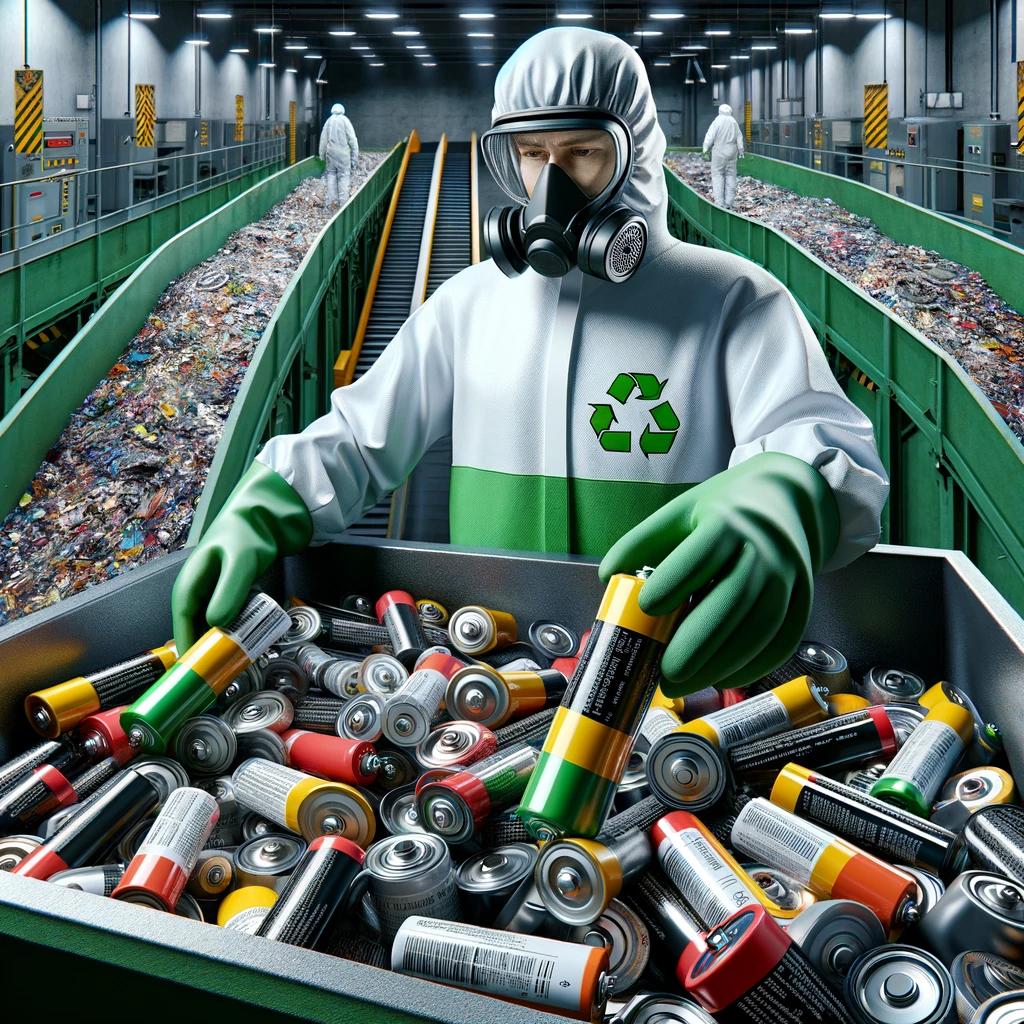
Reduction of harm from mercury-containing batteries requires the implementation of effective methods of environmental management of hazardous mercury-containing battery waste. Collection and recycling systems (R4) for such batteries should be established to prevent them from entering the environment.
Methods of environmental management of hazardous waste from mercury-containing batteries include:
- creation of specialized battery collection points;
- use of modern technologies for processing and recycling of batteries;
- informing the population about the dangers of mercury and the importance of properly neutralizing batteries.
Operations for collection, sorting, crushing and processing of hazardous waste of mercury-containing batteries must be carried out in accordance with environmental standards. Transportation of hazardous mercury-containing battery waste must be carried out by specialized vehicles that ensure safe transportation.
Establishing specialized battery collection points is one of the main methods of reducing damage from mercury-containing batteries. This allows used batteries to be collected in a safe environment and prevent them from ending up in landfills (R13). Such points should be located in places convenient for the public to simplify the process of handing in batteries.
The use of modern technologies for processing and recycling batteries allows you to effectively remove mercury and other dangerous substances from batteries that have reached the end of their service life. This ensures process safety and minimizes risks to the environment and human health.
Educating the public about the dangers of mercury and the importance of proper battery recycling is a key element in combating the harmful effects of mercury-containing batteries. This includes conducting educational programs, information campaigns, and distributing materials explaining the dangers of mercury and the need for proper battery disposal.
Mercury batteries. Code according to the National list of waste 16 06 03*. Operations in accordance with Annexes 1, 2 to the Law of Ukraine "On Waste Management" R4, R13.
Code according to Annexes VIII, IX to the Basel Convention on the Control of Transboundary Movements of Hazardous Wastes and their Utilization/Removal A1180.
About the UtilVtorProm company
The UtilVtorProm company is engaged in environmental management of hazardous waste, including mercury-containing batteries. We offer a full range of services, from collection and transportation to treatment and safe disposal of waste. Our goal is to ensure the safety of the environment and human health through effective management of hazardous waste.
Operations for collection, sorting, crushing and processing of hazardous mercury-containing battery waste are carried out in compliance with all environmental standards. We use modern technologies and equipment to ensure process safety and minimize risks to the environment and human health. Transportation of hazardous mercury-containing battery waste is carried out by specialized vehicles that ensure safe transportation.
Why choose us
Professional waste management with care for the environment
Modern equipment
We use the latest technologies for efficient processing
Wide range of services
Comprehensive solutions for all types of waste
Comprehensive approach
Full management cycle from collection to disposal
Qualified staff
Experienced specialists with relevant certificates
All types of waste
We work with industrial waste
Over 10 years in the market
Reliable partner for businesses and organizations
Customer Reviews
Morozova Oleksandr
23.10.2023Really great. They did not expect. We were faced with the complex task of transporting hazardous waste. Environmental waste management can be entrusted without worrying about the results. Very pleased with the work. Really competent employees.
Kucher Mariia
17.11.2023Satisfied with the hazardous waste management work. I was interested in the speed of work and this was the decisive factor. Reliable company, there are few like them. Thank you. We recommend.
Hryshchenko Tetiana
04.12.2023It was needed very urgently, the work was completed promptly. We chose this company after reading reviews on the Internet. Thanks for the work. Well done boys. Real professionals. I recommend it.
Fedorenko Yuliia
08.01.2024I would like to say thank you. The chief set out to find a licensed company for environmental hazardous waste management. We settled on this one. Everything is great. The best company in Ukraine. We recommend.
Artem Poliak
23.06.2024UtilVtorProm provided our enterprise with consistent environmental support and well-coordinated operations. Hazardous waste handling, transportation, and processing are carried out smoothly and without interruptions.
Inna Kravets
19.07.2024Cooperation with UtilVtorProm introduced a clear structure to our waste handling and recycling processes. Their team maintains close oversight when working with hazardous materials.
Leave a Review
Share your experience working with us
