13 07 01* Gas oil, boiler and diesel fuel
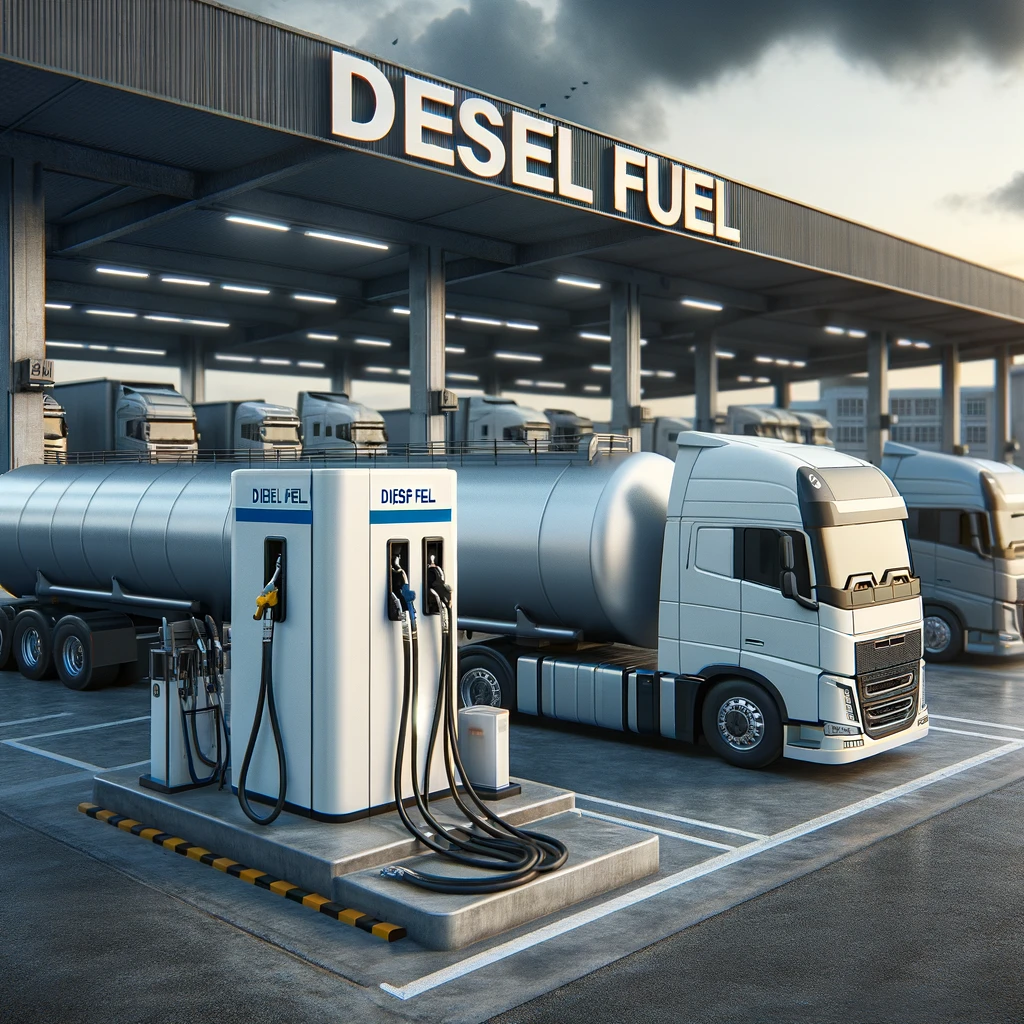
In the modern world, gas oil, boiler and diesel fuel are an integral part of the energy infrastructure. They are used in many branches of industry, transport and energy, providing a significant part of energy needs. However, along with the advantages they provide, there are numerous problems associated with their use and storage. The main one of them – these are environmental and health hazards arising from the waste of these fuels.
One of the most important problems is the accumulation of hazardous waste arising from the use of gas oil, boiler and diesel fuel. These wastes may contain heavy metals, toxic compounds and other hazardous substances that, if mishandled, can enter the environment. Methods of environmental management of hazardous waste gas oil, boiler and diesel fuel are becoming more and more relevant.
Problems of waste management of these types of fuel include:
- pollution of soil and water resources;
- harmful effect on vegetation and animal life;
- increasing risk of fires and explosions.
A pity for the environment and people
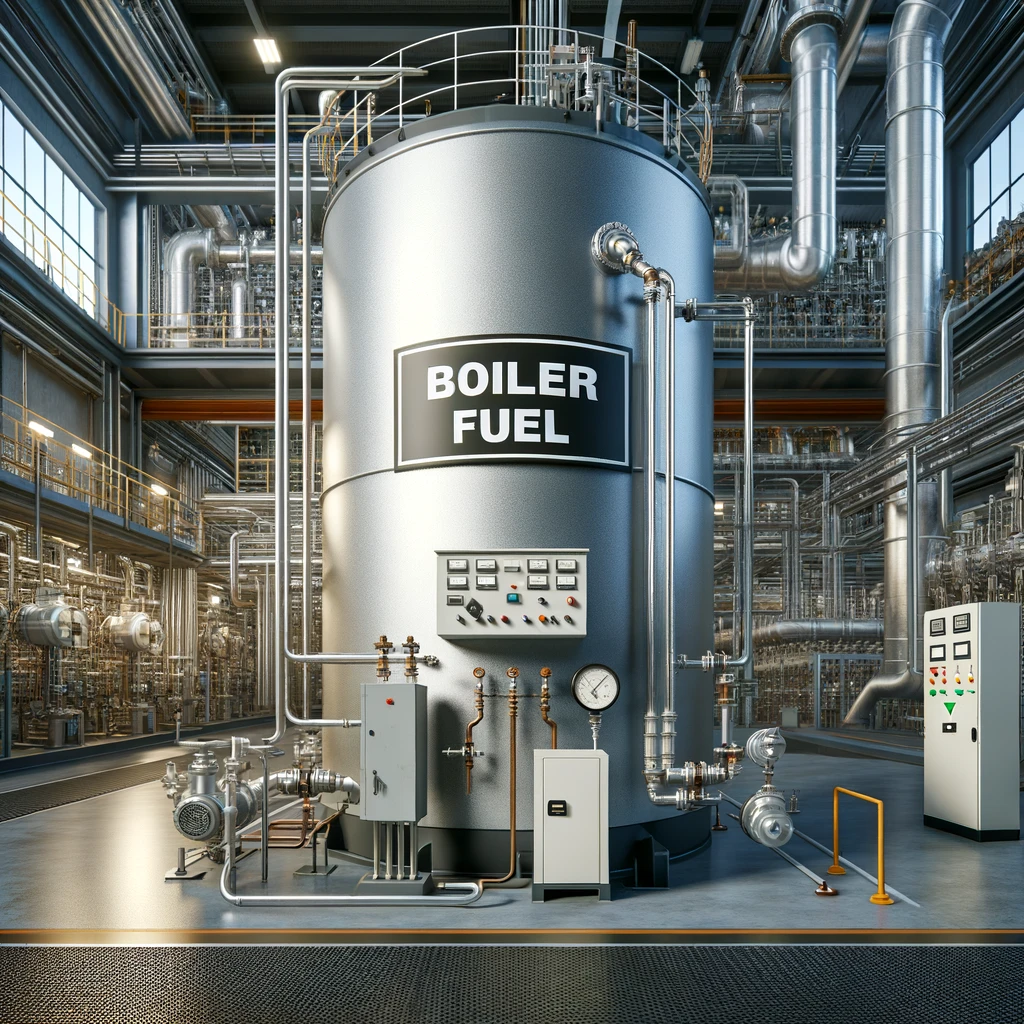
The use of gas oil, boiler and diesel fuel has a significant impact on the environment. Pollution from these fuels can have long-term and serious consequences for ecosystems. The emission of harmful substances into the air contributes to the formation of acid rain, which damages forests and agricultural lands.
The main aspects of environmental damage include:
- emissions of greenhouse gases;
- pollution of water resources due to leaks and accidents;
- impact on biodiversity and ecosystems.
Emissions of greenhouse gases such as carbon dioxide (CO2), methane (CH4) and nitrogen oxides (NOx) contribute to global warming and climate change. These gases trap heat in the atmosphere, leading to an increase in the average temperature on the planet, melting glaciers and rising sea levels. As a result, many coastal regions may be flooded, endangering millions of people.
Water pollution occurs due to accidental leaks of fuel during its transportation or storage (R13). When oil or diesel fuel enters water bodies, it forms an oil film on the surface of the water, which prevents oxygen from reaching aquatic organisms. This leads to the death of fish and other aquatic animals, and also contaminates drinking water, making it unsafe for consumption.
The impact on biodiversity and ecosystems is another major concern. Air and water pollution can lead to the destruction of natural habitats for many species of plants and animals. This, in turn, can cause the loss of biodiversity and the destabilization of ecosystems, which has far-reaching consequences for the entire planet.
Methods of environmental management of hazardous waste gas oil, boiler and diesel fuel include specialized procedures for collection, sorting, crushing and processing, which help to reduce the negative impact on nature. For example, the use of modern water and air purification technologies can significantly reduce the level of pollution. It is also important to implement measures to prevent accidents and leaks that may lead to environmental pollution.
In addition, informing and educating the population about the dangers associated with the use of gas oil, boiler and diesel fuel plays an important role. Involvement of the public in solving environmental problems and support of environmentally friendly technologies contribute to reducing the negative impact on the environment.
Pity for people
The danger to people's health from gas oil, boiler and diesel fuel is no less important. Emissions of harmful substances into the air can lead to respiratory diseases, allergies and other serious diseases. Long-term contact with these substances can cause chronic diseases, including cancer.
The main risks to human health include:
- diseases of the respiratory system;
- toxic effect on skin and eyes;
- increasing the risk of oncological diseases.
Methods of environmental management of hazardous gas oil, boiler and diesel fuel waste help to reduce these risks by applying modern technologies for cleaning and disposal of waste.
Ways to reduce harm
Reduction of harm from the use of gas oil, boiler and diesel fuel is possible with the help of an integrated approach, which includes both technological and organizational measures. The main directions include:
- use of alternative energy sources;
- implementation of emission reduction technologies;
- improvement of fuel storage and transportation standards;
- development of waste collection and processing systems (R9).
Methods of environmental management of hazardous waste gas oil, boiler and diesel fuel include operations of collection, sorting, crushing and processing of hazardous waste. Management of hazardous waste gas oil, boiler and diesel fuel requires careful planning and implementation to reduce the negative impact on the environment and human health.
Gasoil, boiler and diesel fuel. Code according to the National list of waste 13 07 01*. Operations in accordance with Annexes 1, 2 to the Law of Ukraine “On Waste Management” R9, R13.
Code according to Annexes VIII, IX to the Basel Convention on the Control of Transboundary Shipments of Hazardous Wastes and their Utilization/Removal А3020 (АС030)
Companies specializing in environmental management of hazardous waste play an important role in reducing harm. One of such companies is "UtilVtorProm". Our company transports hazardous waste gas oil, boiler and diesel fuel, ensuring their safe storage and processing. "UtilVtorProm" uses modern methods and technologies that allow minimizing environmental risks and ensuring reliable protection of the environment and human health.
Thus, the importance of proper organization of gas oil, boiler and diesel waste management cannot be underestimated. Significant results can be achieved in reducing the negative impact on the environment and people's health only through the joint efforts of government institutions, businesses and citizens.
Why choose us
Professional waste management with care for the environment
Modern equipment
We use the latest technologies for efficient processing
Wide range of services
Comprehensive solutions for all types of waste
Comprehensive approach
Full management cycle from collection to disposal
Qualified staff
Experienced specialists with relevant certificates
All types of waste
We work with industrial waste
Over 10 years in the market
Reliable partner for businesses and organizations
Customer Reviews
Kovalenko Dmytro
07.11.2023Advised by partners, they have been working with UtilVtorProm for a long time. We will be glad to cooperate in the future, I really liked the approach to work. Our recommendations are only for this company.
Tymoshenko Mykola
16.12.2023Thank you very much for your efficient work. We spent a long time choosing among several companies and settled on this one. One of the few companies that has permits for environmental waste management. The company does not need advertising.
Volkova Daria
05.01.2024It is quite difficult to find reliable contractors. We searched through reviews on the Internet and decided to choose this company. Operations for collecting, sorting, crushing and processing hazardous waste are no longer an impossible task. Very pleased. Thank you!
Tkachenko Oleksandr
06.02.2024Thank you. It's pleasure to work with you. It was necessary to transport hazardous waste very quickly. I liked literally everything: the management, the approach to work and punctuality. Good luck with your work. Thank you for your cooperation.
Roman Oliinyk
05.03.2024UtilVtorProm assisted our company in establishing a reliable hazardous waste handling framework. Their approach to transportation and processing supported stable day-to-day operations.
Lidiia Cherkasova
19.07.2024UtilVtorProm provided structured environmental services aligned with our operational needs. The team demonstrated practical experience in managing waste-related processes with consistency.
Leave a Review
Share your experience working with us
