11 01 98*, 11 02 07*, 19 02 11* Other waste containing hazardous substances
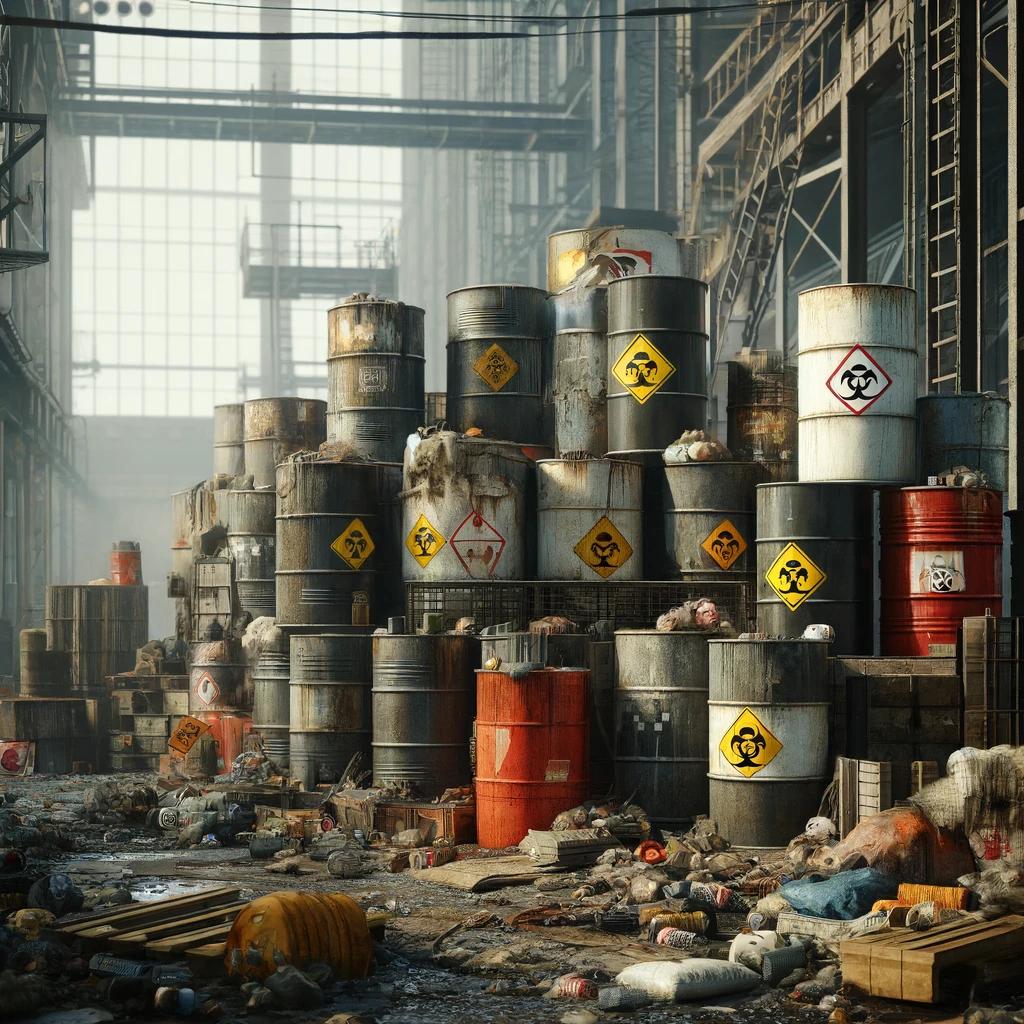
The problem of hazardous waste is one of the most relevant in the modern world. This especially applies to other waste containing hazardous substances. These wastes are generated as a result of various production processes, as well as in everyday life. Their improper storage (D15), transportation and handling can lead to serious environmental problems.
Hazardous waste includes a variety of materials that may have toxic, radioactive, infectious, or other harmful properties. They include:
- chemical waste: waste from the production of chemical substances, including pesticide residues, pharmaceutical waste, industrial solvents, etc.;
- medical waste: used needles, syringes, bandages, as well as the remains of medical drugs;
- e-waste: old computers, mobile phones, batteries and other electronics containing hazardous metals and chemicals;
- industrial waste: production residues, such as metals, plastics, glass, which may contain harmful impurities.
The problem with managing these wastes is that they can have serious consequences for the environment and human health. Improper handling of them can lead to soil, water and air pollution, as well as to the appearance of various diseases in people. Production processes often do not provide for proper storage and treatment of this waste, which creates additional risks.
In addition, most of these wastes are not easily biodegradable, so they can remain in the environment for a long time, accumulating and creating an even greater threat. This especially applies to waste that contains heavy metals, radioactive substances and other stable chemical compounds.
Other waste containing hazardous substances. Code according to the National list of waste 11 01 98*, 11 02 07*, 19 02 11*. Operations in accordance with Annexes 1, 2 to the Law of Ukraine "On Waste Management" D12, R7, D10, D15.
Code according to Annexes VIII, IX to the Basel Convention on the Control of Transboundary Movements of Hazardous Wastes and their Utilization/Removal А1050 (АА120).
A pity for the environment and people
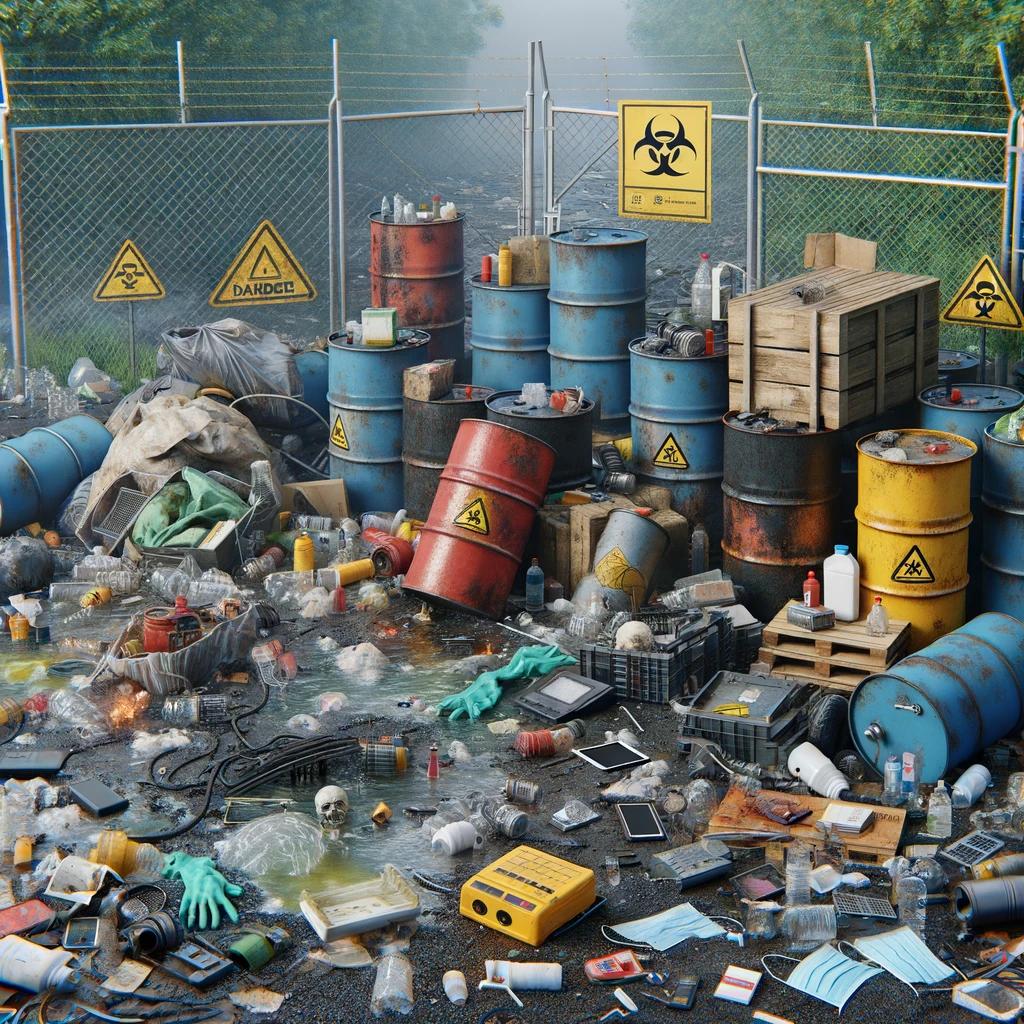
Methods of environmental management of hazardous waste from other waste containing hazardous substances is a key aspect of environmental protection. Improper storage and handling of such waste can lead to:
- soil pollution: dangerous chemicals can enter the soil and accumulate in it, which negatively affects the fertility and health of plants
- water pollution: toxic substances can enter groundwater and water bodies, threatening water supplies and aquatic ecosystems
- air pollution: improper burning or decomposition of hazardous waste releases harmful gases that pollute the atmosphere
Soil pollution occurs due to improper storage and disposal of hazardous waste. Heavy metals such as lead, cadmium, and mercury can accumulate in the soil, affecting its structure and properties. This can lead to soil degradation, a decrease in its fertility and a negative impact on plants grown on such lands. The accumulation of hazardous substances in the soil can also lead to their entry into food chains, which poses an additional threat to the health of people and animals.
Water pollution is one of the most serious environmental problems associated with hazardous waste. Toxic substances can enter groundwater through percolation through the soil, as well as through direct discharge of waste into water bodies. This can lead to significant pollution of water resources used for drinking water supply and adversely affect aquatic ecosystems. Fish and other aquatic organisms can accumulate toxic substances in their tissues, which poses a threat to people who consume these products.
Air pollution occurs when hazardous waste is improperly burned or decomposed. As a result, harmful gases such as dioxins, furans, heavy metals and other toxic substances can enter the atmosphere. These gases can negatively affect people's health, causing respiratory diseases, allergic reactions and other problems. In addition, they can contribute to climate change and deterioration of air quality, which is a serious threat to ecosystems and biodiversity.
Environmental management of hazardous waste from other waste containing hazardous substances requires specialized methods and technologies to prevent their negative impact on the environment. It is necessary to apply a comprehensive approach, which includes effective methods of collection, sorting, transportation and treatment of such waste.
Pity for people
Hazardous waste poses a serious threat to human health. They can cause various diseases, such as:
- poisoning: due to contact with toxic substances or their inhalation;
- allergic reactions: due to contact with chemical substances or biological agents;
- infectious diseases: due to contact with medical waste;
- cancer diseases: as a result of long-term exposure to carcinogenic substances.
Toxic poisoning can occur through skin contact, inhalation, or ingestion of food and water contaminated with hazardous waste. It can cause serious symptoms such as headache, nausea, vomiting, seizures, liver and kidney damage, and affect the nervous system. Especially dangerous poisonings can lead to fatal consequences.
Allergic reactions can occur due to contact with chemicals contained in hazardous waste. These can be various dermatitis, rashes, itching, swelling and other allergy symptoms. In severe cases, anaphylactic reactions are possible, requiring immediate medical assistance.
Infectious diseases can be transmitted through contact with medical waste, which may contain viruses, bacteria and other pathogenic microorganisms. This is especially relevant for employees of medical institutions and those engaged in the collection and processing of medical waste. Infectious diseases can include hepatitis, HIV, tuberculosis and other serious diseases.
Cancer diseases can develop as a result of long-term exposure to carcinogenic substances contained in hazardous waste. These can be heavy metals, organic compounds and other chemical substances that have the ability to cause mutations in body cells and contribute to the development of cancerous tumors. Research shows that workers who are constantly in contact with hazardous waste have an increased risk of developing cancer.
Management of hazardous waste from other waste containing skycaustic substances, should be carried out with special attention to the protection of the health of workers who are engaged in the collection, transportation and processing of these wastes. Safety measures, such as the use of special equipment and protective clothing, play an important role. In addition, it is necessary to ensure regular medical monitoring of the health of employees and provide them with the necessary medical assistance in case of problems.
Ways to reduce harm
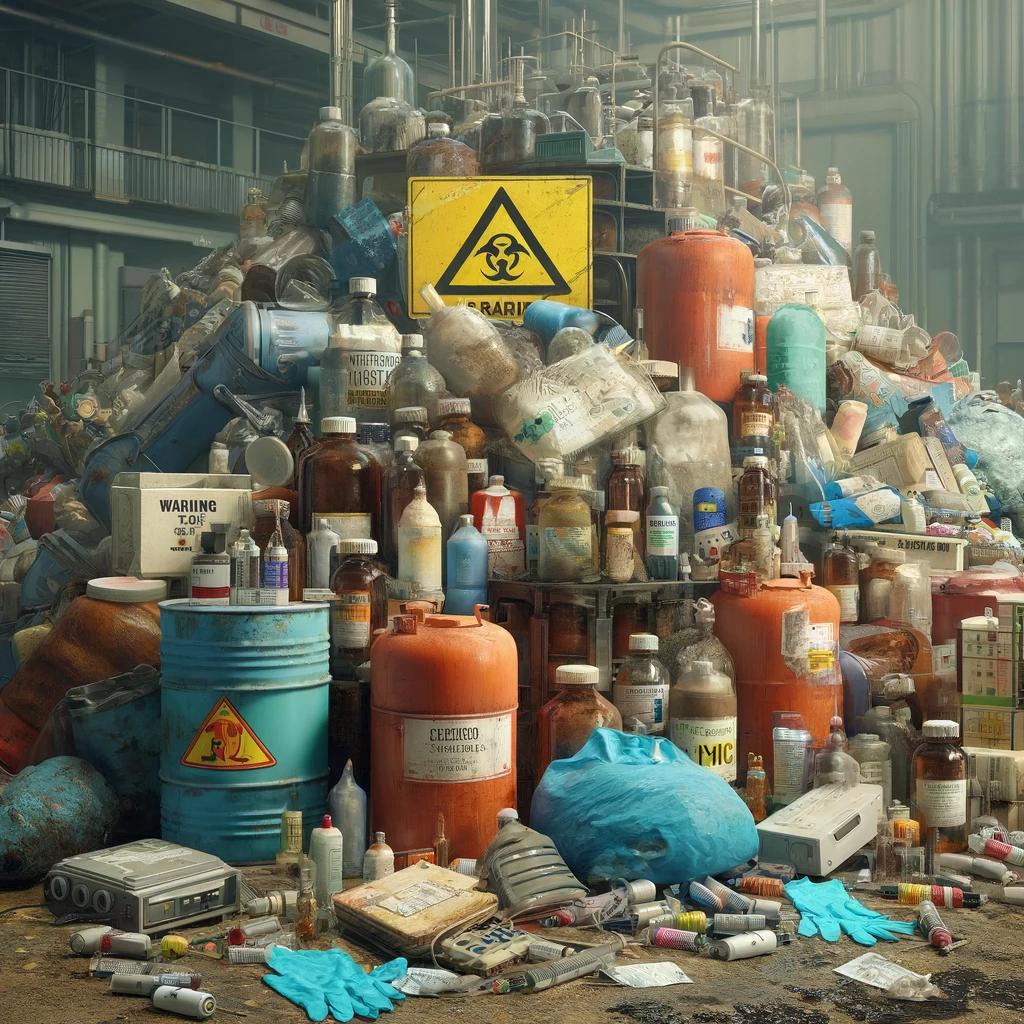
In order to reduce harm from hazardous waste, it is necessary to apply a comprehensive approach, which includes:
- effective methods of environmental management of hazardous waste;
- application of the latest technologies for the treatment and processing of hazardous waste;
- training and increasing the awareness of employees about dangers and safety methods;
- use of specialized containers and vehicles for transportation of hazardous waste (D12).
Effective methods of environmental management of hazardous waste include the use of modern technologies for their collection, sorting, transportation and processing. This allows you to minimize the risks of environmental pollution and human health. An important aspect is ensuring the appropriate storage of hazardous waste at specialized sites that are protected against leaks and pollution.
The application of the latest technologies for the treatment and processing of hazardous waste includes the use of chemical, thermal and biological treatment methods. These methods make it possible to effectively neutralize hazardous substances and reduce their impact on the environment. For example, thermal methods include burning waste at high temperatures, which allows the destruction of toxic substances. Chemical methods involve the neutralization of hazardous substances using chemical reagents, while biological methods use microorganisms to break down organic waste.
Training and raising employee awareness of hazards and safety practices is an important aspect of hazardous waste management. Employees must have the appropriate knowledge and skills for the safe handling of hazardous waste, as well as know the rules for using protective equipment and methods of providing first aid in case of emergency situations.
The use of specialized containers and vehicles for the transportation of hazardous waste is a necessary condition for ensuring their safe transportation. Containers must be hermetically sealed, have appropriate markings and safety signs to avoid leaks and contamination during transportation. Vehicles must be equipped with special equipment for fixing containers and ensuring their stability during movement.
Operations for the collection, sorting, crushing and processing of hazardous waste from other waste containing hazardous substances must be carried out in compliance with all safety norms and standards. It is also important to involve specialized companies that have the experience and equipment to process such waste. One of the leading examples in this field is the company UtilVtorProm.
One of the leading examples in this field is the UtilVtorProm company, which carries out the transportation of hazardous waste from other waste containing hazardous substances and their processing in accordance with the highest standards.
UtilVtorProm actively cooperates with various enterprises and organizations, helping them to effectively manage hazardous waste. An important aspect of the company's work is the constant improvement of methods and technologies, which allows to ensure high quality of service and reliable protection of the environment.
In conclusion, the problem of managing hazardous waste from other waste containing hazardous substances is extremely urgent. To solve it, it is necessary to apply a comprehensive approach, which includes the use of the latest technologies, personnel training and the involvement of specialized companies. This is the only way to protect the environment and human health from the negative effects of hazardous waste.
Why choose us
Professional waste management with care for the environment
Modern equipment
We use the latest technologies for efficient processing
Wide range of services
Comprehensive solutions for all types of waste
Comprehensive approach
Full management cycle from collection to disposal
Qualified staff
Experienced specialists with relevant certificates
All types of waste
We work with industrial waste
Over 10 years in the market
Reliable partner for businesses and organizations
Customer Reviews
Mykolenko Oleksandr
23.10.2023Utilvtorprom are true professionals. We were looking for a contractor for environmental hazardous waste management for a long time. This is a really difficult task. I liked the integrated approach to hazardous waste management. Thank you for your cooperation. I would like to recommend this company, everything is at the highest level.
Hryshchenko Olena
16.11.2023Hello. We have been looking for a company like this for a long time. It was necessary to transport hazardous waste as soon as possible, so we contacted this company. We need documents for reporting, so we asked for services here. Thanks for the quality. We recommend.
Hrytsenko Mykhailo
19.01.2024Hello. Thank you for your cooperation. We decided to use the services of environmental hazardous waste management and did not regret it. It is immediately obvious that you are professionals in your field. Thank you. We will contact you. Thank you. Very pleased with the work.
Ponomarenko Oksana
18.02.2024Thank you very much for your cooperation. We have been working for a long time. We decided to entrust this company with the operations of collecting, sorting, crushing and processing hazardous waste. We were very pleased with the services. Don't be ashamed to recommend to others.
Oleksii Marchenko
19.04.2024The cooperation delivered a clear and dependable framework for hazardous waste handling within our facility. Transportation and processing were carried out efficiently with minimal involvement from our side.
Svitlana Pavliuk
10.06.2024Their environmental service supported our operations by maintaining order and control across all waste-related stages. The overall execution was structured and professionally managed.
Leave a Review
Share your experience working with us
